


For decades, Accra has remained the centre of Ghana's economic activity, attracting the largest share of investment, businesses, government institutions, and real estate development. The capital has become the country's primary destination for residential, commercial, and mixed-use developments, with areas such as Airport Residential, Cantonments, Ridge, East Legon, and the Airport City enclave emerging as some of West Africa's most valuable property markets.
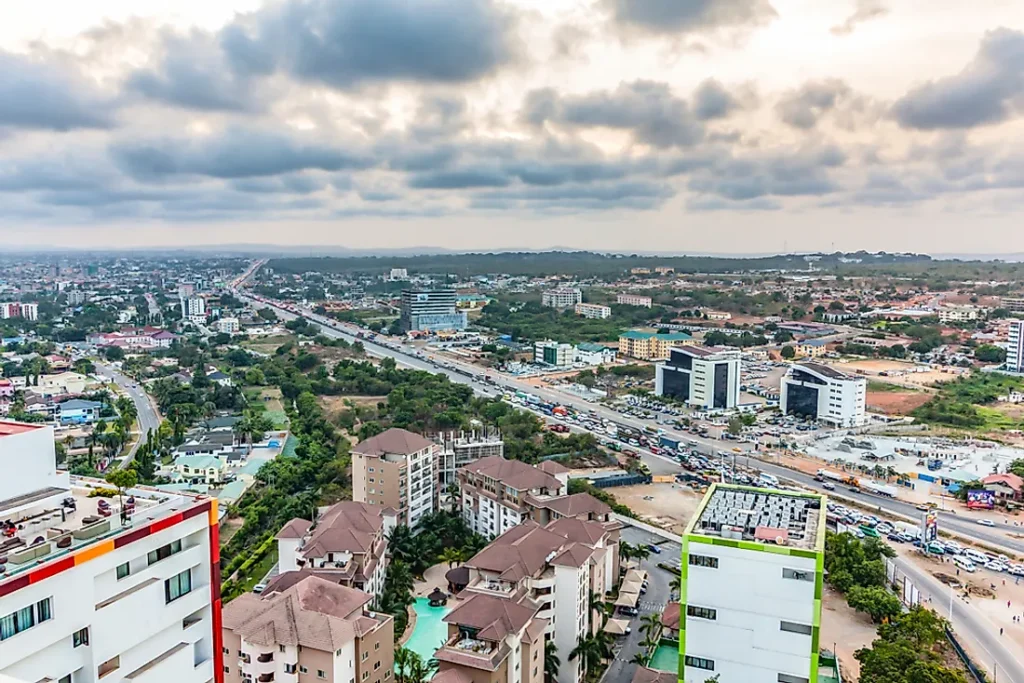
However, as Accra continues to experience rapid urbanisation, increasing congestion, rising land values, and mounting pressure on infrastructure, industry experts are calling for a shift in Ghana's development strategy.
Speaking on urban development and investment, Nana Kwadwo Boakye-Akyempong, Senior Manager for Real Estate Financing at Absa Bank Ghana, emphasized the need for Ghana to develop more cities beyond Accra to unlock greater investment opportunities and promote balanced national growth. His comments come at a time when Ghana's real estate sector continues to evolve, driven by population growth, increasing urbanisation, diaspora investment, and sustained demand for quality housing and commercial developments. While Accra has undoubtedly played a significant role in driving economic growth, many experts believe the country's long-term development cannot continue to rely predominantly on one metropolitan area.
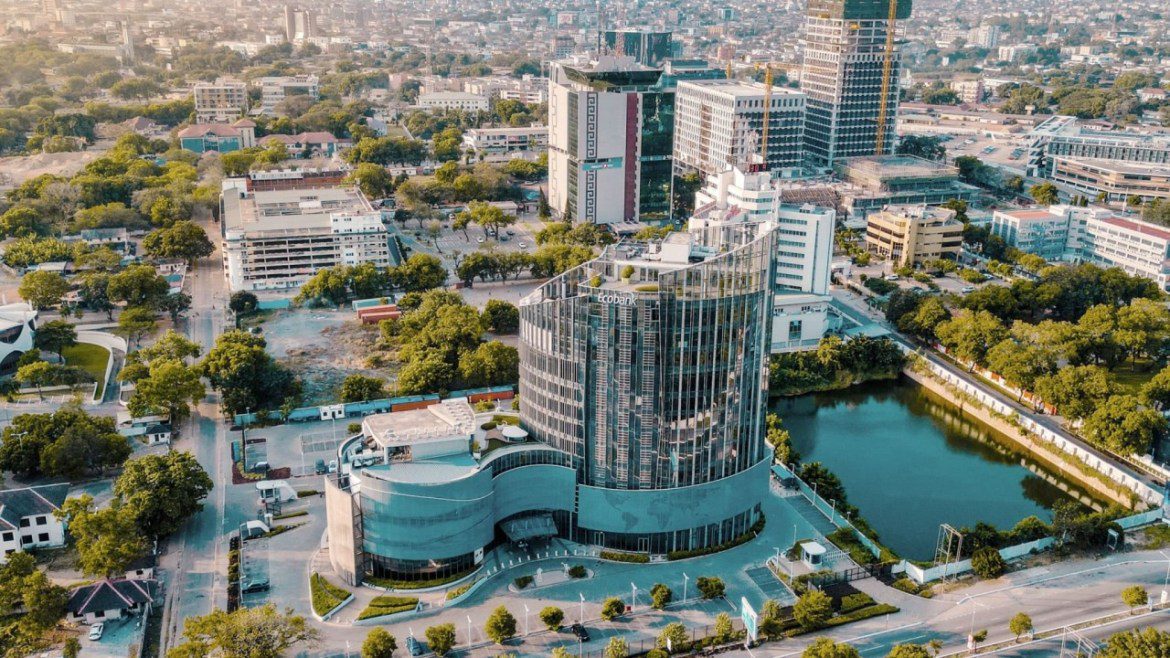
According to the Ghana Statistical Service's 2021 Population and Housing Census, Ghana's urban population continues to grow steadily, placing increasing demand on housing, transportation systems, healthcare, schools, sanitation, and public infrastructure. Greater Accra remains the country's most urbanised region, but this rapid concentration of people and economic activity has also contributed to rising housing costs, traffic congestion, environmental degradation, and recurring flooding.
These challenges have renewed discussions on the importance of developing strong secondary cities capable of attracting businesses, industries, investors, and residents while reducing pressure on the capital.
Cities such as Kumasi, Takoradi, Tamale, Cape Coast, Sunyani, Ho, and Koforidua possess significant potential for expansion. Each offers unique economic strengths, growing populations, educational institutions, healthcare facilities, and opportunities for residential, commercial, industrial, and mixed-use developments. For example, Kumasi continues to experience significant growth in residential and commercial construction, supported by major infrastructure projects and increasing private sector investment. Takoradi remains strategically positioned as a hub for Ghana's oil, gas, maritime, and industrial sectors, while Tamale continues to emerge as Northern Ghana's commercial and administrative centre.
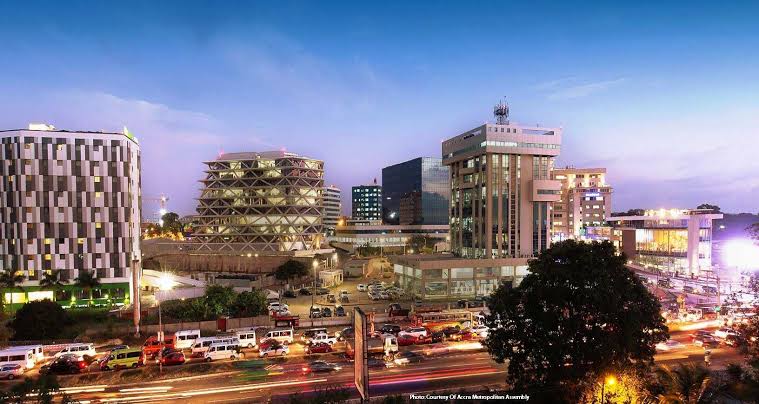
Balanced urban development is not only beneficial for the real estate industry but also for the broader national economy. According to the World Bank, well-planned urbanisation can improve productivity, create employment opportunities, stimulate private investment, and enhance access to essential services. Developing multiple competitive cities also helps reduce migration pressure on major urban centres while encouraging more inclusive regional development.
For the real estate sector, expanding investment beyond Accra presents considerable opportunities. Lower land acquisition costs, growing populations, improving infrastructure, and increasing demand for housing position many regional cities as attractive destinations for long-term investment. Developers are increasingly exploring projects outside the capital, recognising that future growth may come from emerging markets rather than already saturated locations.
However, experts caution that the success of this transition will depend on strategic planning and sustained public investment. Infrastructure remains one of the most critical factors influencing real estate growth. Roads, drainage systems, electricity, water supply, digital connectivity, healthcare, education, and public transportation all play a vital role in making cities attractive for both investors and residents.
Land administration also remains an important consideration. Improving land registration processes, strengthening planning enforcement, addressing multiple land ownership disputes, and ensuring transparency within the property market will be essential to building investor confidence across the country. The conversation also comes as government continues to invest in infrastructure and housing initiatives aimed at supporting regional development. Projects such as the State Housing Company Limited's Green City development in Dedesua near Kumasi, ongoing road expansion projects, and increased investment in regional infrastructure demonstrate a growing recognition that Ghana's future growth must extend beyond Accra.
As Ghana's housing deficit continues to pose a national challenge, expanding residential development into well-planned regional cities could also improve housing accessibility while supporting local economic growth. Ultimately, the future of Ghana's property market will not be determined solely by the number of high-rise buildings constructed in Accra. It will depend on how effectively the country creates multiple thriving urban centres capable of attracting investment, supporting businesses, and improving the quality of life for residents across all regions.
Developing more cities beyond Accra is not simply a real estate strategy, it is an economic development strategy. With the right investments in infrastructure, planning, governance, and regional competitiveness, Ghana has the opportunity to build a more balanced, resilient, and investment-ready urban future.
As Ghana's cities continue to evolve, the next property hotspot may not necessarily be in Airport Residential, Cantonments, or East Legon. It could very well be in Kumasi, Takoradi, Tamale, Sunyani, Koforidua, Cape Coast, Ho, or another fast-growing regional city that is quietly laying the foundation for tomorrow's growth. The conversation is no longer whether Ghana should develop more cities beyond Accra.
The conversation is how quickly and how strategically it can make that vision a reality.


