

TDC Ghana Limited expands beyond Tema with a flagship, mixed-use city designed for integrated living.
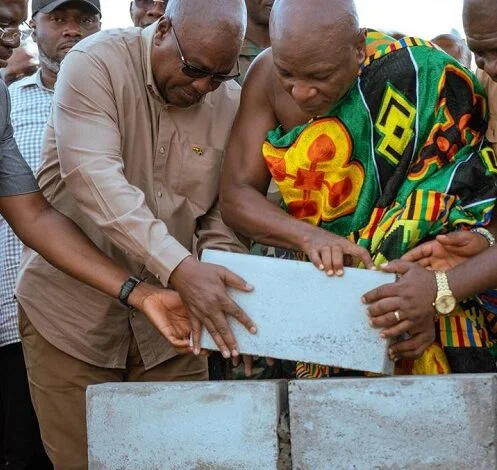
In a major milestone for Ghana’s national housing and urban development agenda, President John Dramani Mahama recently cut the sod for the Oxygen City project in Agbokope, near Ho in the Volta Region. The initiative led by Tema Development Company (TDC) Ghana Limited, represents a bold new chapter in regional development and integrated planning.
A Vision for Smart Urban Growth
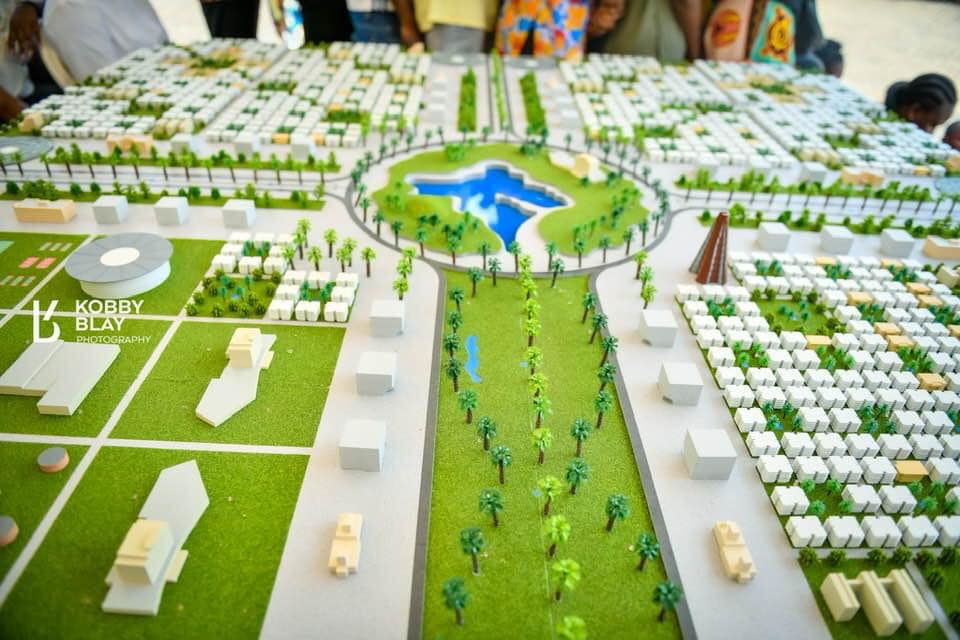
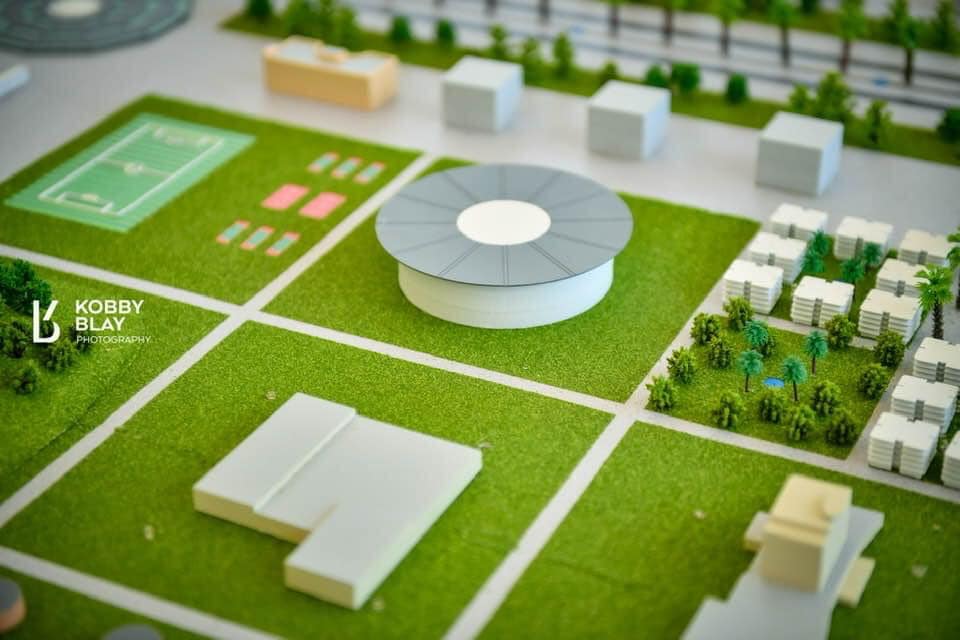
Oxygen City is being developed on approximately 1,860 acres of land, making it one of the largest mixed-use urban developments in the region. The project aims to provide a complete living ecosystem, combining residential, social, commercial, and civic infrastructure in a balanced and sustainable way. According to government statements, the planned development will include:
Multi-storey two- and three-bedroom apartments
Integrated roads, water supply, and electricity networks
A modern hospital and healthcare facilities
A hotel and tourism-oriented amenities
Schools and educational infrastructure
Markets, shopping facilities, and recreation areas
Industrial and commercial zones to support local commerce and businesses
Addressing the Housing Deficit and Regional Equity
President Mahama described Oxygen City as a “people-centered” project that not only expands housing supply but also helps reshape how urban communities are planned and delivered. Rather than traditional urban sprawl, the project aims to create well-planned, serviced neighbourhoods that bring jobs, services, housing, and economic activity into one interconnected space.
This development also marks a strategic shift for TDC, traditionally known for projects in the Greater Accra area like Community 27, by extending its operations into the Volta Region and beyond. According to TDC leaders, the project reflects the corporation’s expanded mandate to address Ghana’s broader housing challenges across multiple regions.
Economic and Social Impact
Officials say Oxygen City is expected to generate significant employment opportunities, both during construction and in long-term operations, especially for youth and local entrepreneurs. Its facilities and infrastructure are also designed to attract private investment into areas such as health tourism, retail, hospitality, and industrial logistics.
The project’s proximity to the Ho Airport has been highlighted as a key economic advantage, positioning the city as a regional hub with improved connectivity.
Affordability and Access
Part of the overall vision for Oxygen City is to make housing more affordable and accessible. In related announcements, government policymakers have outlined mechanisms such as down payments with extended payback terms at single-digit interest rates to help working families including teachers, nurses, and civil servants own homes within the development.
Urban Planning and Balanced Development
The launch of Oxygen City also accompanies broader national planning efforts. At the sod-cutting ceremony, President Mahama reiterated the government’s intention to move away from uncoordinated urban sprawl toward planned communities that are integrated with economic and social infrastructure. He underscored the need for equitable regional development, ensuring that emerging hubs like Ho gain infrastructure and investment alongside established metropolitan centers.
In line with this, government officials have initiated plans to upgrade Ho and Hohoe into Metropolitan Assemblies, recognizing their growing urban and administrative importance.
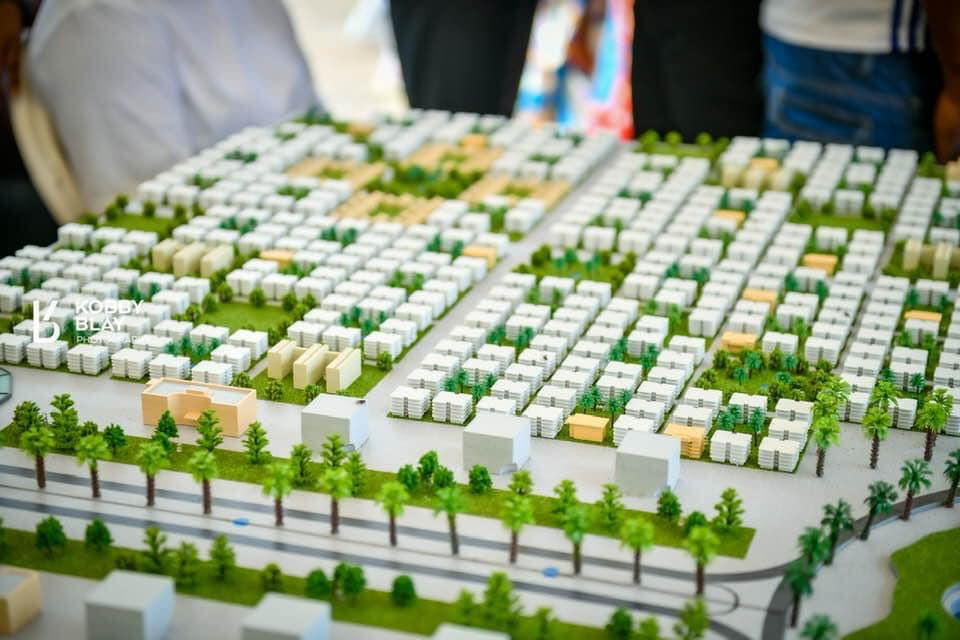
Oxygen City is projected to be completed incrementally, with initial housing blocks and core infrastructure delivered in the coming years. But even at this early stage, the project is already redefining expectations for urban development in Ghana, especially outside major population centres.
By bringing together housing, healthcare, education, commerce, and lifestyle amenities, Oxygen City aims to transform the Volta Region’s urban landscape, support economic inclusion, and set a new benchmark for integrated development in Ghana.
Photo Credit: @KobbyBlay Photography


