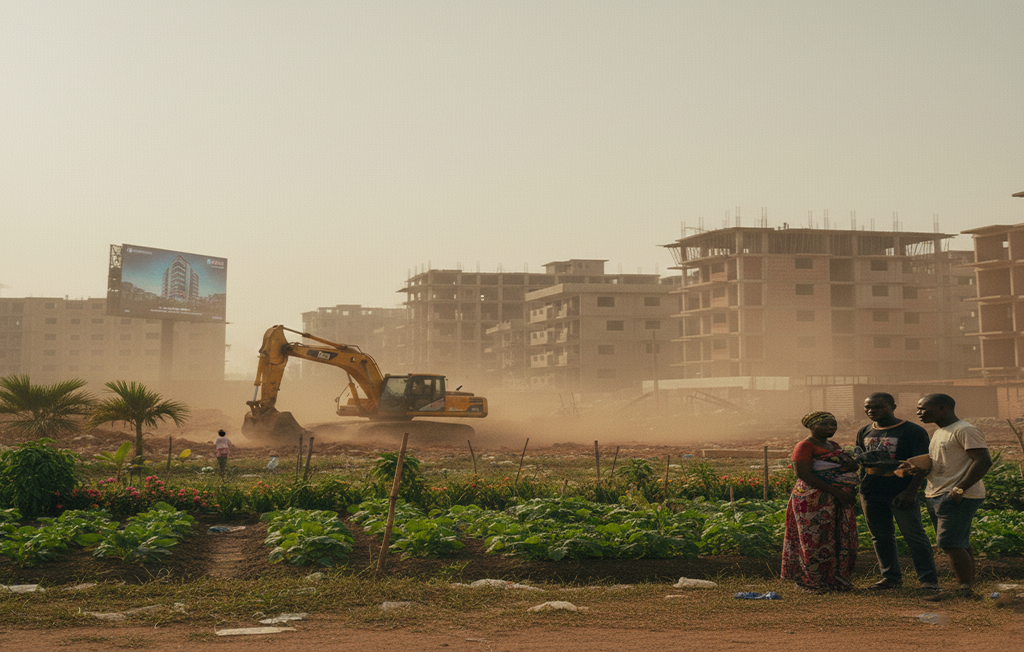


Accra, once celebrated as the “Garden City of West Africa,” is rapidly transforming into a sprawling concrete jungle. Trees are being felled, parks are shrinking, and open green spaces are giving way to buildings, roads, and urban developments. The city’s natural charm and environmental balance are under threat, raising concerns for residents, urban planners, and environmentalists alike.
The Rise of the Concrete Jungle
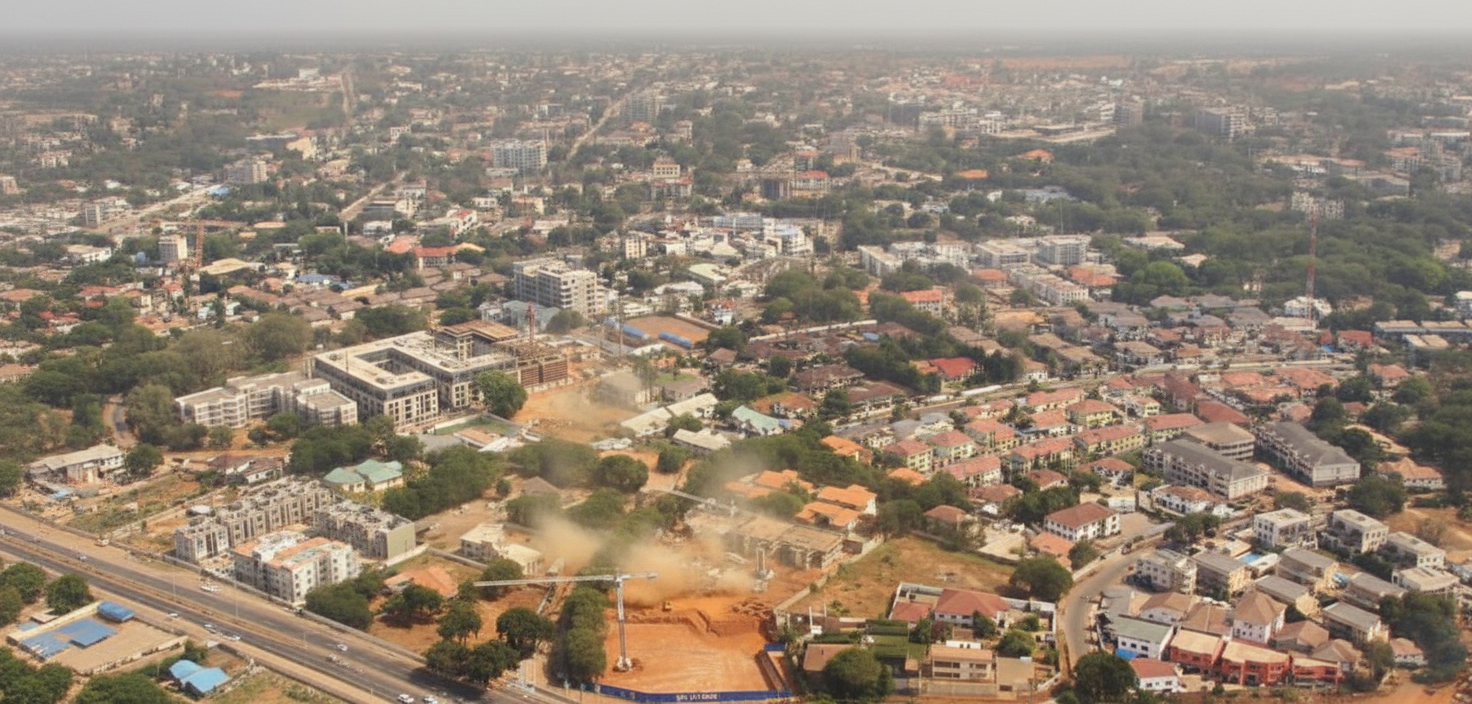
Urbanization in Accra has been accelerating over the past few decades. Population growth, migration from rural areas, and economic expansion have all fueled the demand for residential, commercial, and industrial spaces. While development is necessary, it often comes at a cost: the loss of green areas that once defined the city.
Neighborhoods that were once lined with trees and open gardens now face:
Encroachment of green spaces for housing estates and commercial buildings.
Reduction of urban parks due to privatization or lack of maintenance.
Loss of biodiversity, as native flora and fauna are displaced.
The Impact on Residents
The disappearance of greenery has real consequences. Trees and parks do more than beautify a city, they help reduce urban heat, filter air pollution, manage stormwater, and provide spaces for recreation. Without them, Accra faces:
Rising temperatures and urban heat islands
Increased air pollution and health risks
Limited recreational spaces, affecting mental and physical well-being
Flooding risks, as natural drainage systems are disrupted
Residents lament that the city is losing its soul, trading its natural beauty for concrete structures with little regard for environmental sustainability.
Why Green Spaces Matter
Urban green spaces are not luxuries, they are necessities. Cities that maintain parks, tree-lined streets, and gardens tend to have:
Healthier populations
Higher quality of life
Increased property values
Stronger community cohesion
Accra’s rapid development without planning for green spaces risks creating a city that is not only less beautiful but less livable for future generations.
The Call for Sustainable Urban Planning
Urban planners, government authorities, and private developers must prioritize environmental sustainability. Measures that could help preserve Accra’s green identity include:
Enforcing regulations that protect existing trees and parks
Incorporating green roofs, vertical gardens, and public green areas in new developments
Promoting community-led greening projects
Educating citizens on the importance of urban greenery
If these steps are not taken, Accra risks losing not just its trees, but its identity, the very “Garden City” reputation that once made it unique.
Conclusion
The story of Accra is a cautionary tale of rapid urbanization without foresight. As concrete replaces greenery, the city must ask itself: Are we building for the present alone, or are we planning a livable, sustainable future for the generations to come? The choice is ours and urgent action is needed to restore Accra’s green soul.