
Ghana’s capital city, Accra has once again stepped into the continental spotlight following the official launch of the Africa Real Estate Festival (AREF) 2026, an event that aims to reshape how real estate is understood, planned, and delivered across the African continent. Scheduled for April 18-19, 2026, the festival is expected to convene developers, investors, architects, urban planners, policymakers, financial institutions, diplomats, and proptech innovators from across Africa and beyond.
Beyond its scale and growing international attention, AREF 2026 is positioning itself as a thought-leadership platform responding to one of Africa’s most urgent realities, rapid urbanisation. As cities across the continent expand at unprecedented rates, pressure continues to mount on housing supply, infrastructure, transportation systems, and social services. Within this context, the festival is advancing a broader narrative, one that reframes real estate not merely as property or investment assets, but as a critical tool for shaping quality of life, economic opportunity, sustainability, and cultural identity.

At the launch, Founder and Chief Executive Officer Desmond Oteng emphasised that Africa can no longer afford real estate conversations that are limited to pricing, luxury developments, or speculative returns. Instead, he noted the need for deeper engagement around people-centred urban planning, climate-resilient developments, technology-driven housing solutions, and inclusive access to decent housing. This shift reflects a growing recognition that Africa’s housing challenges are not only technical, but social and economic, requiring collaboration across sectors and borders.
Ghana’s selection as host nation underscores its rising profile within Africa’s real estate and investment landscape. Over the past decade, the country has emerged as a strategic destination in West Africa, supported by political stability, improving regulatory frameworks, and increasing interest from both local and diaspora investors. Accra, in particular, has become a testing ground for mixed-use developments, new housing models, and smart-city conversations, making it a fitting host city for a festival focused on the future of urban living.
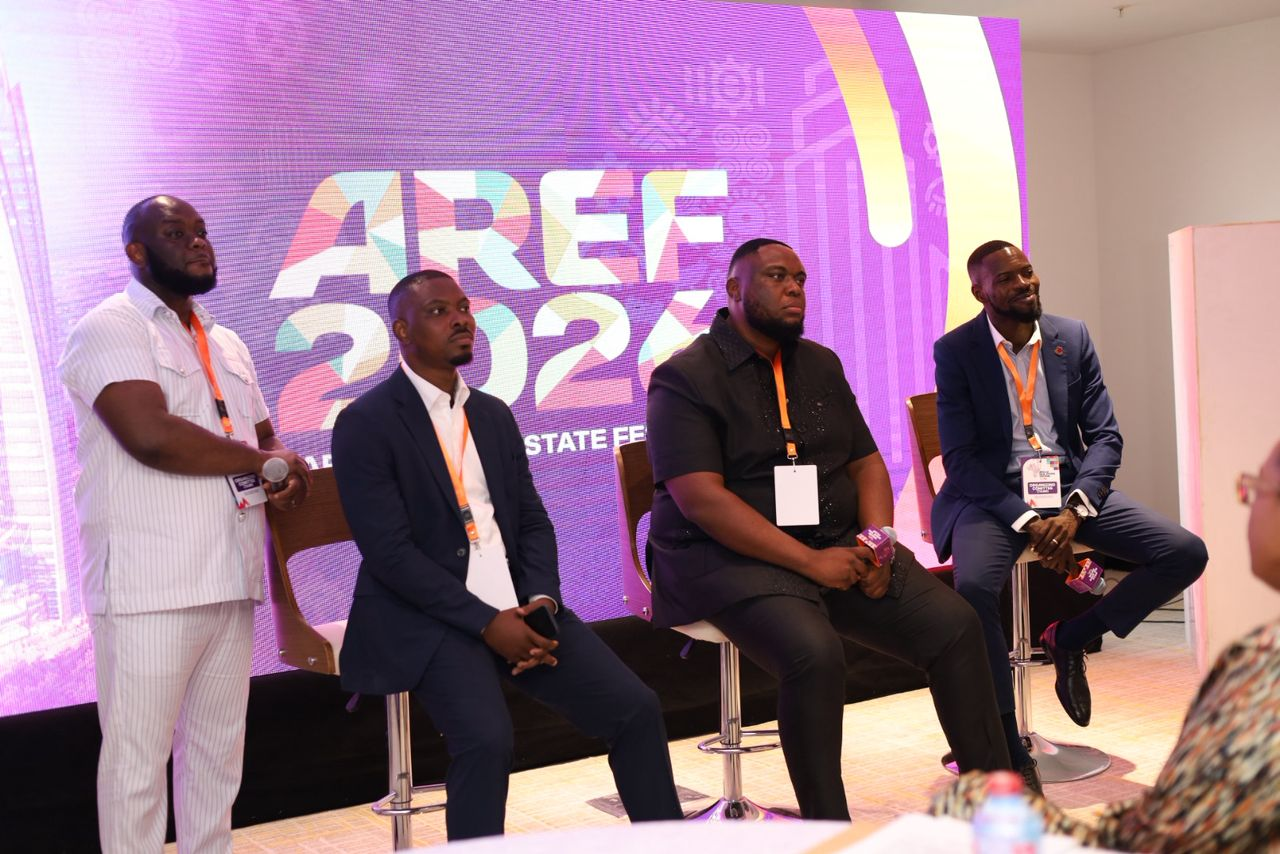
Officials present at the launch highlighted the alignment between AREF and Ghana’s broader development priorities, especially efforts to channel diaspora capital into structured real estate investments, encourage planned urban expansion, and shift from consumption-led remittances toward asset-based wealth creation. Hosting the festival further strengthens Ghana’s ambition to position itself as a regional hub for urban innovation, real estate dialogue, and investment collaboration.
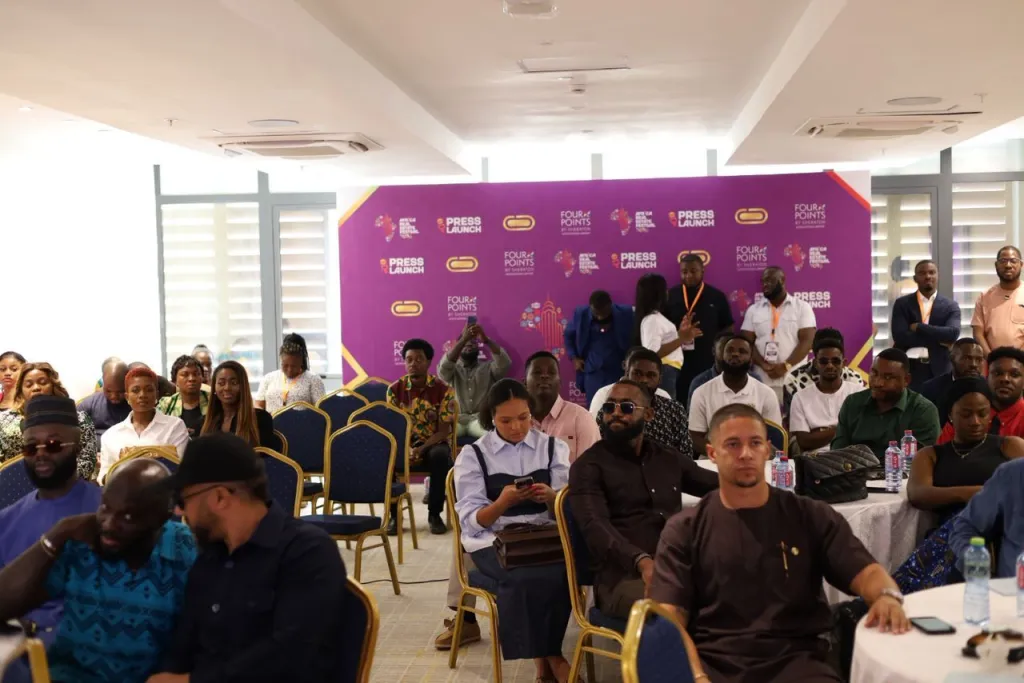
AREF 2026 is also being positioned as a bridge between Africa and global markets. The presence of diplomatic representatives and international partners at the launch signals growing global interest in Africa’s urban future. Organisers say the festival will not only showcase African real estate projects but also facilitate cross-border investment partnerships, knowledge exchange between African and global urban experts, and policy dialogue on land use, housing finance, and sustainable development.
The two-day festival is expected to feature keynote addresses, panel discussions on housing and infrastructure, exhibitions by developers and solution providers, and networking sessions designed to foster collaboration and deal-making. More significantly, AREF is being designed as an experience-led festival rather than a conventional conference, reflecting its ambition to humanise real estate and connect development decisions to everyday living.
As Africa’s cities continue to grow, platforms such as AREF have the potential to influence how urban spaces are designed, financed, and governed. By centring conversations on innovation, identity, and inclusivity, the Africa Real Estate Festival 2026 presents an opportunity to challenge long-standing development models and promote solutions that are locally grounded yet globally competitive.
For Ghana, hosting the festival represents both a statement of leadership in Africa’s real estate discourse and a responsibility to demonstrate what future-ready urban development can look like in practice.