

A New Era of Construction
For decades, the construction process in Ghana relied heavily on manual labor, paper documentation, and fragmented supervision. Today, that’s changing fast. Modern developers and architects are turning to Building Information Modeling (BIM) - a digital design system that allows engineers, architects, and project managers to collaborate in real time. BIM reduces design errors, cuts waste, and improves cost efficiency, ensuring that projects are delivered on time and within budget.
Companies like Devtraco Group, Regimanuel Gray, and Waylead have already integrated digital design tools into their workflow, setting new industry standards for precision and sustainability.
Smart Homes, Smarter Living
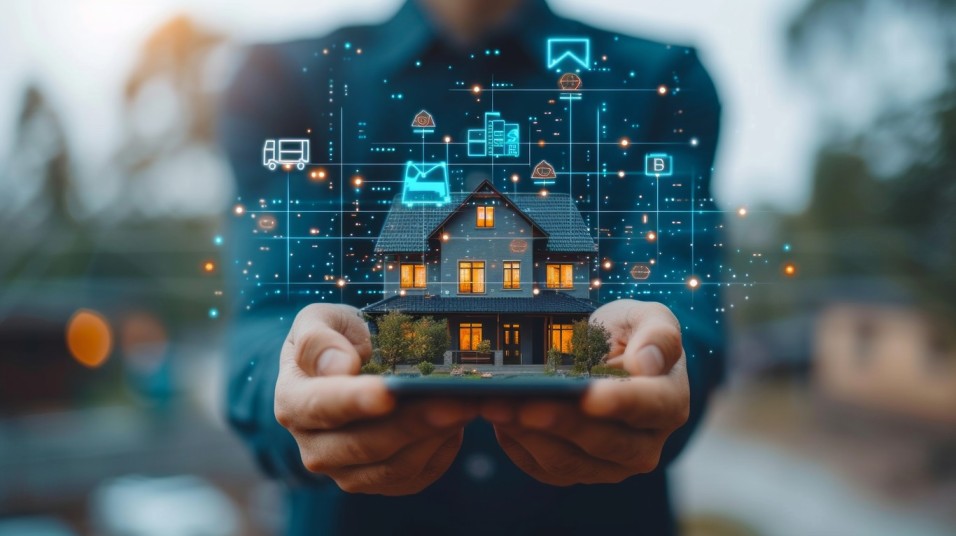
Technology is also transforming the way Ghanaians live. The rise of smart home technology from automated lighting and temperature control to security systems and energy monitoring has become a key feature in luxury developments across Accra, Tema, and Kumasi.Developers are realizing that homebuyers now demand convenience, efficiency, and security as part of their investment value. The integration of these systems is also helping property managers monitor usage and reduce energy costs.
PropTech and the Digital Marketplace
Beyond construction, the rise of PropTech (Property Technology) is revolutionizing real estate transactions and management. Platforms like meQasa, Housing Fair Online, and Jumia House are streamlining property searches, connecting developers to verified buyers, and promoting transparency in pricing.
Housing In Ghana’s collaboration with Business & Financial Times (BFT) and Housing Fair Online reflects this shift, bringing verified property information and digital exposure to both investors and buyers.
Tech in Sustainability
Technology also plays a critical role in supporting green building initiatives. Tools such as energy modeling software, smart meters, and solar management systems help monitor resource use and lower carbon emissions. This aligns with the new wave of EDGE-certified projects in Ghana, promoting the “Building Smarter, Living Greener” philosophy highlighted in Housing In Ghana’s 4th Edition.
Challenges in Adoption
While the opportunities are enormous, challenges persist.
High cost of software and equipment limits adoption among smaller firms.
Lack of training for artisans and engineers slows integration.
Limited digital infrastructure outside major cities affects implementation.
However, with the government’s ongoing push for digital transformation and the private sector’s embrace of innovation, the gap is steadily narrowing.

The Future: A Digital Construction Ecosystem
The future of Ghana’s housing industry will be defined by data-driven design, smart energy systems, and automation. Technology will not replace human expertise, it will enhance it, making the industry more efficient, transparent, and resilient.
As Ghana continues to urbanize, embracing technology isn’t just an option, it’s a necessity for sustainable growth.
At Housing In Ghana, we believe the future of real estate lies in innovation. The message is clear:Build Smart. Live Smart. Ghana’s Tomorrow Depends On It.


