

Ghana’s Growing Real Estate Market
Buying a house in Ghana has become one of the most attractive investment options for both locals and the Ghanaian diaspora. With urban expansion, economic stability, and a rising demand for quality housing, the real estate sector continues to evolve rapidly, offering diverse opportunities from luxury apartments to affordable housing communities.
But while the market is rich with promise, it also comes with unique challenges. Understanding the real estate laws, financing systems, and ownership structures is essential before taking the leap.
Understanding Property Ownership in Ghana
Land ownership in Ghana is governed primarily by the Land Act, 2020 (Act 1036), which streamlines acquisition and registration processes. Property rights in Ghana can fall under several categories:
State Lands – owned and managed by the government.
Stool or Skin Lands – held in trust by traditional authorities for their people.
Family Lands – controlled by family heads and elders.
Private Lands – owned by individuals or entities, often on a freehold or leasehold basis.
Before you buy, always:
Conduct a search at the Lands Commission to verify ownership.
Engage a qualified real estate lawyer to handle documentation.
Ensure the land or property has a valid Land Title Certificate.
Tip: Most properties in Ghana are sold as leaseholds (50–99 years). Foreign buyers can hold leasehold titles but not freehold land ownership.
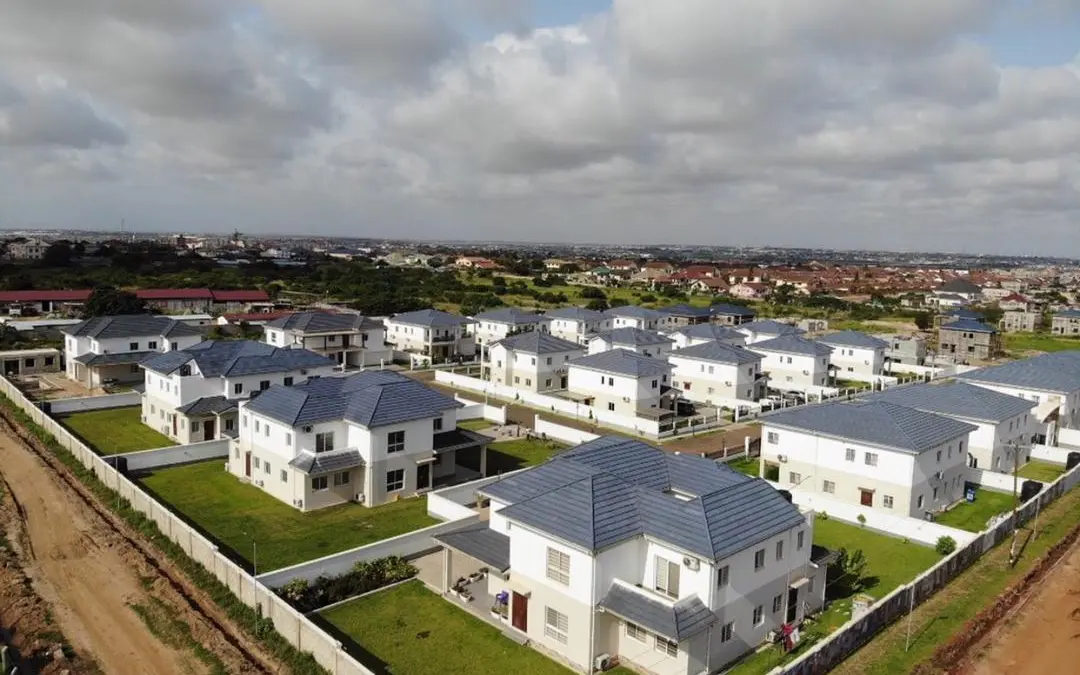
The Cost of Buying a House in Ghana
Property prices vary depending on location, type, and developer reputation.
Prime areas like Airport Residential, Cantonments, East Legon, and Labone can range between USD 150,000–1 million+ for homes and apartments.
Emerging areas such as Oyarifa, Amasaman, and Pokuase offer homes starting from USD 50,000–120,000.
Affordable housing projects by the government and private developers target middle-income buyers with prices between GHS 300,000–600,000.
Remember to factor in stamp duty (0.25–1%), registration fees, and property rates.
Financing Options Available
Buying a home in Ghana can be done through several financing paths:
Mortgage Loans: Offered by local banks such as Republic Bank, Fidelity Bank, and Stanbic Bank.
Diaspora Mortgages: Tailored for Ghanaians living abroad.
Developer Payment Plans: Installment or rent-to-own options spread over 2–10 years.
Public-Private Partnerships (PPP): Often seen in affordable housing schemes.
Interest rates can range between 18–25% per annum, so comparing offers is key before committing.
Key Legal and Regulatory Considerations
Before finalizing a purchase, buyers should ensure compliance with all local regulations:
Obtain building permits and development approvals from the Metropolitan, Municipal, or District Assembly (MMDA).
Ensure the developer is registered with the Ghana Real Estate Agency Council (GREC).
Check for litigation-free land and zoning restrictions.
Beware of unregistered agents or “middlemen” promising deals. Always verify their credentials through the GREC or a reputable developer network.
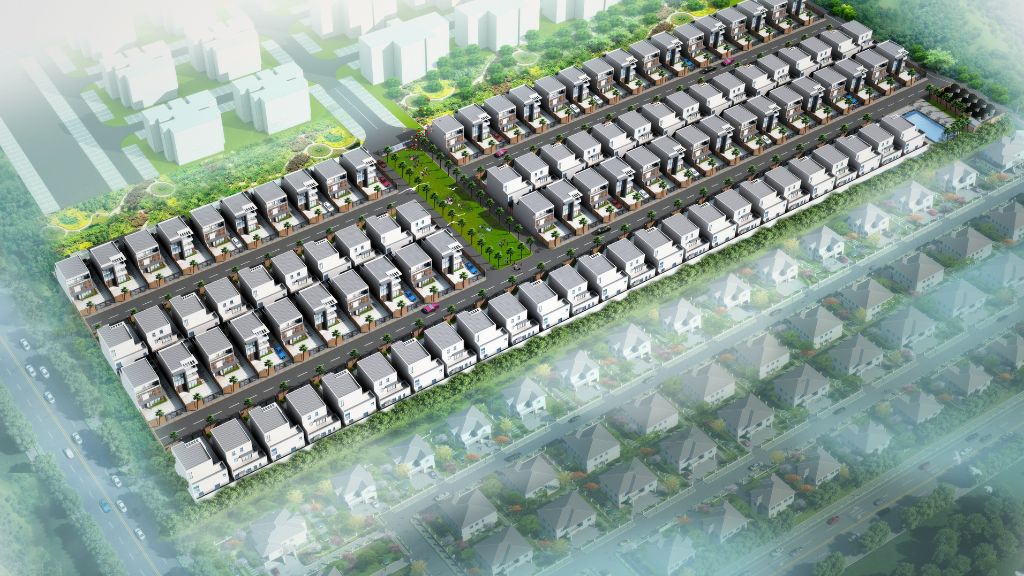
Best Locations to Buy in Ghana
Accra: The capital offers modern housing developments, gated communities, and a growing expat market.Tema: Known for its planned layout and industrial infrastructure.Kumasi: Ghana’s cultural hub with growing middle-class housing demand.Takoradi: Rapidly developing due to oil and gas activity.Cape Coast & Ada: Emerging coastal destinations for resort and retirement homes.
Opportunities and Challenges
Ghana’s real estate market presents a mix of high potential and structural hurdles:
Opportunities
Rising demand for affordable and mid-income housing.
Increased diaspora investment interest.
Government incentives for public-private housing projects.
Expanding mortgage and digital property registration systems.
Challenges
High cost of building materials, particularly cement and steel.
Complex land tenure system.
Inadequate long-term financing for developers.
Currency depreciation risks for foreign investors.
Future Outlook
The future of Ghana’s real estate sector lies in innovation, collaboration, and transparency. With new laws promoting digital land registration and ongoing investment in infrastructure, Ghana is steadily positioning itself as one of Africa’s most investor-friendly property markets.
For individuals looking to buy a home, the key lies in due diligence, verify every document, work with trusted professionals, and think long-term.
Buying property in Ghana isn’t just about owning a house, it’s about investing in stability, security, and legacy.


