

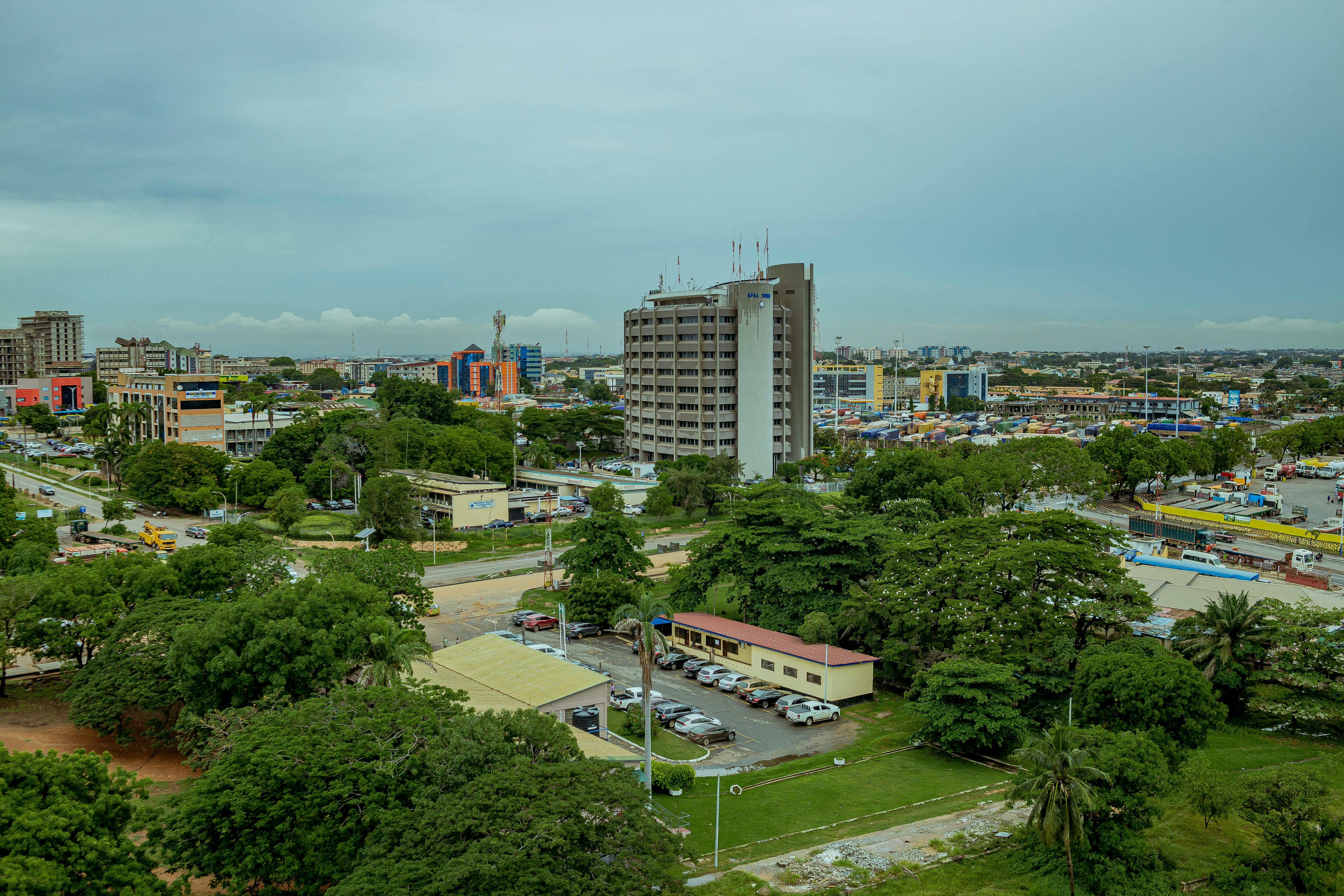
Ghana’s cities, especially Accra, Kumasi, and Takoradi, are experiencing rapid urbanization. With this surge comes a demand for housing that is not only affordable but also efficient, resilient, and intelligent. Conventional housing models no longer suffice in a world where climate change, energy costs, and technological disruptions dominate the conversation.
Smart housing: homes equipped with technology to optimize energy use, improve security, and enhance quality of life. From smart lighting and remote-controlled appliances to water conservation systems and solar-powered electricity, these features are no longer luxuries; they are necessities in modern urban living. Sustainability is no longer a buzzword. It’s a requirement. As Ghana continues to feel the effects of climate change, rising temperatures, water scarcity, and environmental degradation, the real estate sector must lead the way in adopting eco-friendly practices.
Sustainable construction means using materials that reduce environmental impact. It means prioritizing energy-efficient designs, promoting natural ventilation, harvesting rainwater, and installing solar panels. But it also goes deeper, into how we plan our communities, use land, and connect buildings with nature through green spaces and landscaping. Prop Tech (Property Technology) is revolutionizing how properties are built, sold, and managed. From virtual property tours and AI-driven property matching to smart construction tools and digital mortgage processing, Ghana is witnessing a gradual but steady rise in tech-enabled real estate.
Developers are increasingly integrating Internet of Things (IoT) devices, building management systems, and remote monitoring solutions into their projects. These not only reduce long-term operational costs but also offer residents unmatched convenience and security.
Ghana faces unique challenges: complex land acquisition processes, expensive imported materials, limited access to mortgage financing, and regulatory bottlenecks. However, these hurdles are also propelling innovation. Developers are experimenting with recycled materials, compressed earth blocks, modular homes, and alternative financing models like co-investment and rent-to-own schemes.
Several pioneering projects are already setting the pace. Eco-conscious residential communities are popping up on the outskirts of Accra. Young startups are piloting green tech in underserved areas. The Ministry of Works and Housing has begun promoting energy codes for buildings, signalling a policy shift in Favor of sustainable construction.
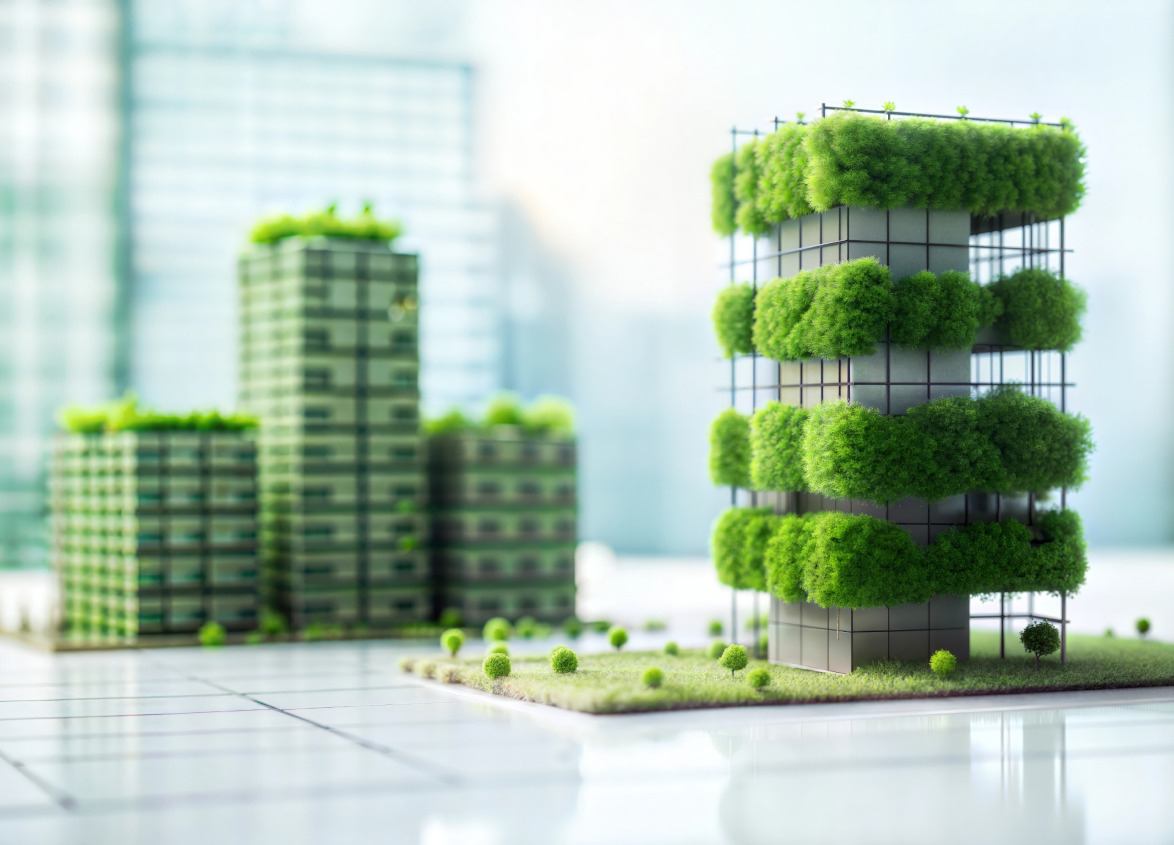
The future of real estate in Ghana depends not just on developers or policymakers; it requires a coalition of stakeholders: architects, engineers, environmentalists, financiers, and homebuyers. It’s about rethinking the housing value chain from concept to construction, from financing to furnishing. Educating the public on the benefits of smart and green homes, creating accessible financing structures for sustainable buildings, and incentivizing innovation must become national priorities.
As Housing in Ghana Magazine continues to spotlight thought leaders and groundbreaking developments, this edition sets the tone for a new era, one where Ghana positions itself as a leader in smart, sustainable housing on the African continent. By building smarter and living greener, we’re not only creating better homes, but we’re also securing a better future.


