
The Cost of Traditional Building
Traditional housing construction in Ghana relies heavily on concrete, steel, and imported materials, all of which have a high carbon footprint. Cement alone contributes to over 8% of global CO₂ emissions, and with Ghana’s cement consumption increasing every year, the environmental toll continues to rise.In addition, many urban homes are built without consideration for natural ventilation, insulation, or water management, leading to excessive energy use and heat retention especially in Ghana’s already-warming climate.
What Sustainable Housing Really Means
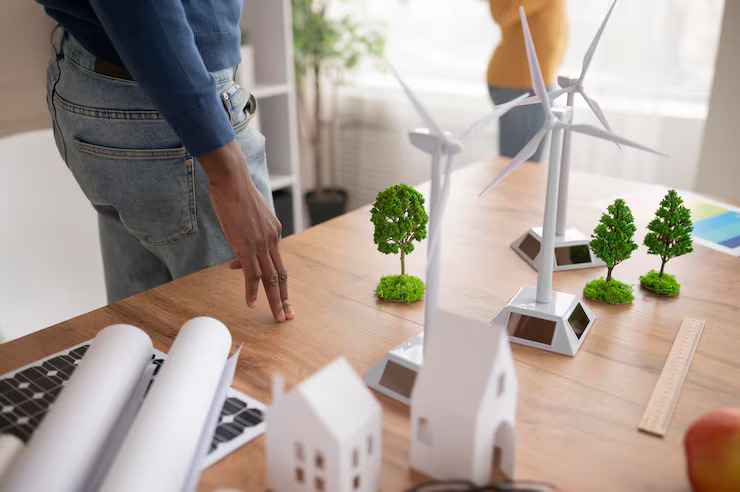
Sustainable or “green” housing goes beyond just using eco-friendly materials. It’s a holistic approach that focuses on:
Energy efficiency - maximizing natural light, airflow, and insulation to reduce electricity use.
Water conservation - harvesting rainwater and recycling greywater for landscaping or cleaning.
Eco-materials - using locally sourced, renewable, or low-impact materials such as laterite blocks, bamboo, or compressed earth.
Smart design - orienting buildings for natural shade and airflow, reducing dependence on air conditioning.
Such designs are not only environmentally friendly but also reduce long-term costs for homeowners and developers alike.
Ghana’s Green Push
Encouragingly, the conversation is beginning to shift. In 2024, Ghana saw a major milestone when a local real estate company won the EDGE Certification, a global green building standard supported by the International Finance Corporation (IFC). The Ghana Real Estate Developers Association (GREDA) and Housing In Ghana’s 4th Edition both emphasized the theme of “Building Smarter, Living Greener”, highlighting the importance of eco-conscious construction in shaping the nation’s future.
This achievement has inspired more developers to explore solar integration, green roofing, and energy-efficient designs, particularly in emerging residential zones like Oyarifa, East Legon Hills, and Tema Community 25.
Challenges to Overcome
Despite the progress, several barriers remain:
Limited awareness and training among artisans and builders.
Higher upfront costs for sustainable materials.
Absence of government incentives such as tax breaks or green construction grants.
Weak enforcement of building codes on energy efficiency and waste management.
The Way Forward
For Ghana to fully embrace sustainable housing, coordinated action is needed from all stakeholders:
Government should enforce green standards and introduce incentives for energy-efficient buildings.
Developers must integrate sustainability from design to delivery.
Financial institutions should provide green mortgages and affordable loans for eco-friendly projects.
Homeowners should be encouraged to adopt small but impactful habits — from solar use to recycling and water harvesting.
A Greener Tomorrow Starts at Home
Sustainability is not a luxury, it’s a necessity. As Ghana navigates rapid urbanization, every block laid should represent a commitment to a cleaner, smarter, and more sustainable future.If we build with tomorrow in mind, we can ensure that progress doesn’t come at the cost of the planet.
At Housing In Ghana, we continue to champion the message:“Building Smarter. Living Greener. Sustaining Ghana.”