

Ghana is experiencing rapid urban expansion as cities like Accra, Kumasi, Koforidua, and secondary urban centres continue to grow. In response to rising demand for housing and infrastructure, large tracts of agricultural land particularly on the urban fringe are being converted into residential estates. While this trend reflects economic growth and increased investment in real estate, it raises significant concerns about food security, livelihoods, land governance, and long-term sustainable planning.
Urban Growth and Land-Use Change
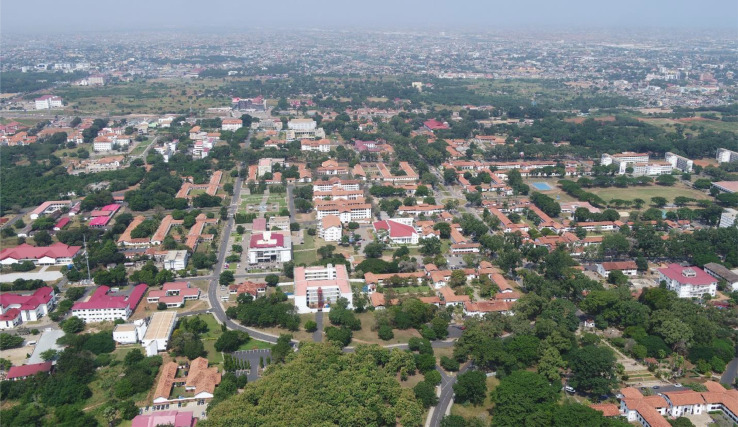
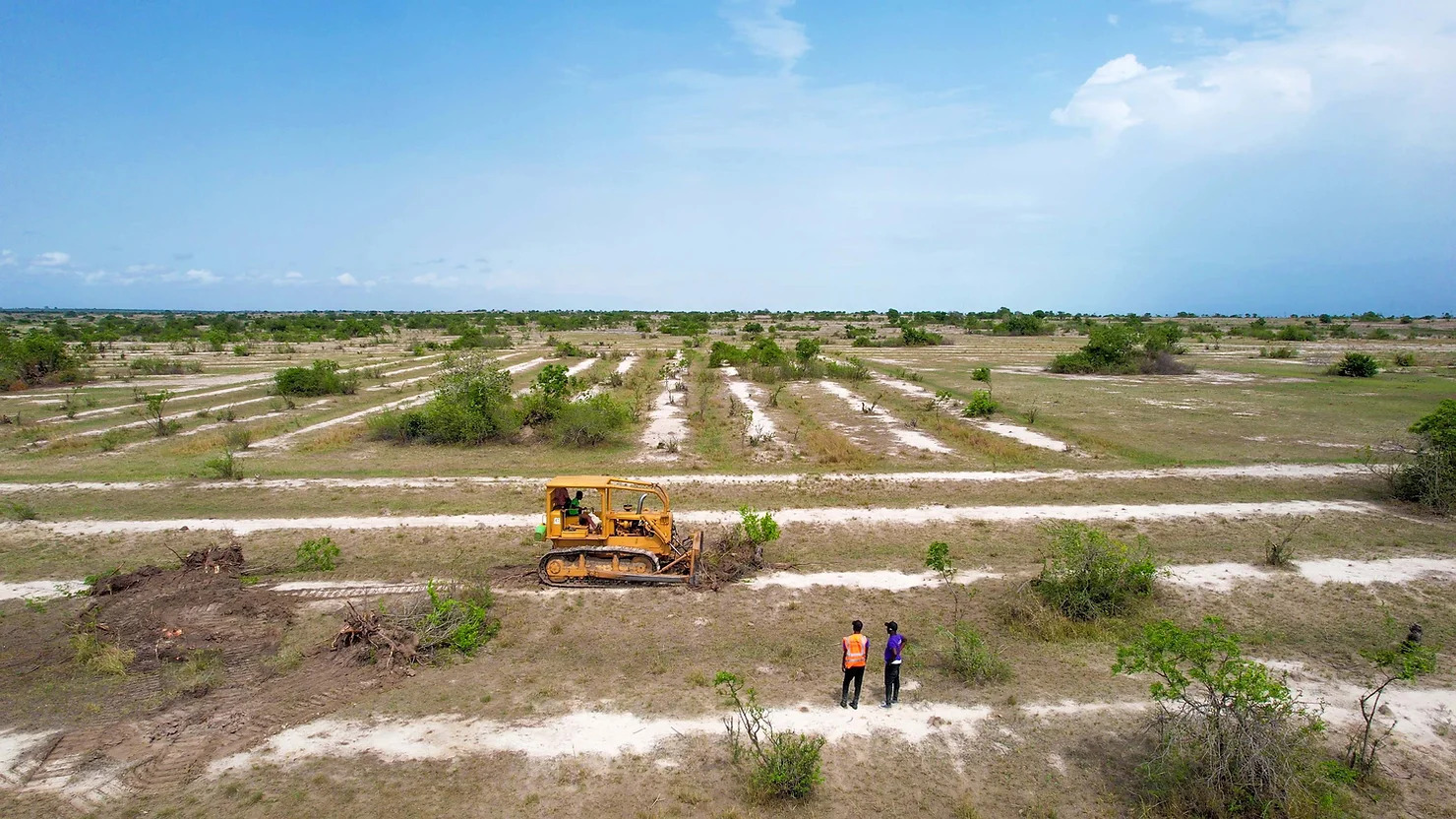
Over the last few decades, Ghana’s urban footprint has expanded dramatically. Built-up land has increased rapidly, with residential and infrastructural developments encroaching on areas that were once fertile farmland. This pattern is particularly visible in municipalities surrounding major cities, where agricultural lands are increasingly developed into residential estates.
Drivers of Conversion
The primary factors driving the conversion of agricultural land into residential plots include:
Population Pressure and Urbanisation: Growing urban populations create intense demand for housing and services. As cities expand outward, farmland becomes a prime target for real estate developers.
Land Commodification and Market Forces: Land, historically used for farming and customary livelihoods, has increasingly become a marketable asset. Its rising value makes residential and commercial development more lucrative than traditional agriculture.
Weak Land-Use Planning and Governance: Municipal and district development plans often prioritise residential development without adequately protecting agricultural zones. This lack of enforceable planning frameworks facilitates the piecemeal conversion of farmland.
Implications for Food Security and Livelihoods
The loss of agricultural lands has serious consequences for Ghana’s food systems and rural livelihoods. In peri-urban areas, reduced farmland diminishes local crop production and household income. Many farmers are forced to abandon agriculture entirely, leading to decreased food availability and increased reliance on imports.
Environmental and Ecosystem Impacts
Transforming farmland into residential estates also affects environmental sustainability. Agricultural lands serve as natural buffers that support groundwater recharge, maintain biodiversity, and moderate local microclimates. Their loss can increase flooding, soil degradation, and habitat destruction, particularly when conversion occurs without environmental safeguards.
Social and Cultural Disruption
Beyond economic and environmental effects, the conversion of agricultural land can disrupt traditional ways of life. Farming communities, often with strong cultural ties to the land, face social dislocation as agriculture declines and young people migrate to urban jobs. Customary land tenure systems, once protective of communal agricultural spaces, are increasingly under pressure from modern development and speculative land markets.
Balancing Development with Sustainability
Converting agricultural land into residential estates is not inherently negative if done within a regulated planning framework. Urban growth and housing provision are essential to development. However, the pace and pattern of land conversion in Ghana suggest a need for robust spatial planning policies that protect agricultural zones while guiding sustainable urban expansion. This includes zoning laws to designate and preserve farmland and stronger collaboration between traditional land custodians and local government authorities.
Policy Recommendations
To mitigate negative impacts, policymakers and stakeholders should:
Integrate agricultural land protection into urban planning frameworks.
Strengthen land governance and enforce land-use regulations to balance housing demand with agricultural sustainability.
Support peri-urban agriculture through incentives, technical assistance, and infrastructure that make farming economically viable even amid urbanisation
.
Conclusion
The conversion of agricultural lands into residential estates highlights the tension between development and sustainability in Ghana. While it addresses the pressing need for housing, unchecked conversion threatens food security, livelihoods, and environmental resilience. A balanced approach, harmonising land-use planning with economic and agricultural priorities is critical to achieving inclusive, sustainable development and ensuring long-term food system stability.


