

How sustainability is reshaping the future of real estate in Ghana
As Ghana’s cities expand and skylines rise, a new conversation is beginning to take root, one about sustainability, energy efficiency, and responsible construction. Across Accra, Kumasi, and Takoradi, developers, architects, and policymakers are beginning to realize that the next wave of real estate success won’t just be about size or luxury - it will be about sustainability.
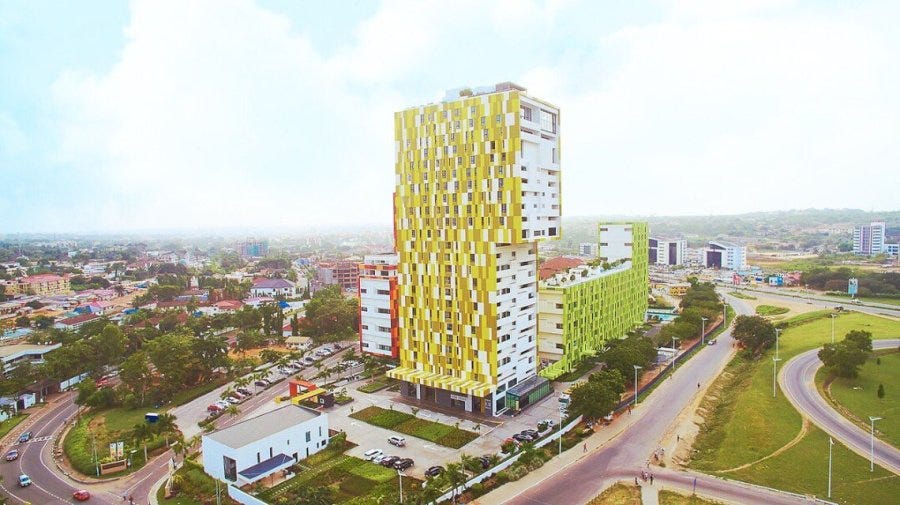
From policy to practice, how Ghana is embracing sustainability in housing and construction
This year marks a defining moment for Ghana’s real estate sector. From developers winning EDGE certification for green excellence to GREDA’s renewed call for sustainability and Housing In Ghana’s own 4th Edition theme - “Building Smarter, Living Greener” - the message is clear: the future of Ghana’s housing lies in sustainable building.
The Shift Toward Greener Construction
As Ghana’s cities grow denser and demand for housing intensifies, sustainability has moved from an afterthought to a core part of development planning. Green buildings, designed to minimize energy use, reduce waste, and promote healthier living are now being recognized not just for their environmental impact, but for their economic and social value.
According to the Environmental Protection Agency (EPA), the building sector accounts for almost 40% of Ghana’s energy consumption. With power costs soaring and global climate pressure mounting, going green is no longer optional, it’s a competitive advantage.
Ghana’s Green Pioneers
This year, a Ghanaian real estate company earned an EDGE certification, a global benchmark by the International Finance Corporation (IFC) that recognizes sustainable building efficiency. The recognition symbolized more than an award, it was a clear sign that Ghana’s developers are ready to compete on the world stage through responsible and innovative construction.
GREDA (Ghana Real Estate Developers Association) has also continued to promote sustainable practices among its members, encouraging energy-efficient designs, waste management innovations, and renewable energy integration in new projects.
Notable examples of developers and their certified buildings include:
Wahhab Estate Co. Ltd (Meridian Group): Developed the Atlantic Tower in Airport City, which was the first EDGE-certified commercial building inaugurated in Ghana.
Goldkey Properties: Their PwC Tower (also in Airport City) and Cannon House have received EDGE certification.
LMI Holdings: Their Mega Warehouse in the Tema Free Zone was awarded IFC EDGE certification, and the company is an "EDGE Champion," committed to certifying most of its portfolio.
Rehoboth Properties: Their affordable housing project in Ghana was the first affordable housing project in the country to achieve EDGE certification.
The Greens Ghana: This company has secured EDGE certification for its residential community, positioning it as one of the first fully EDGE-certified residential communities in Ghana.
Clubhouse Ghana Limited: Developed the Standard Chartered Bank Head Office building, which is also EDGE certified.
Melcom Limited: Awarded EDGE Advanced certification for an additional 21 stores.
These developers have demonstrated a commitment to sustainable construction practices by designing buildings that achieve significant reductions in energy, water, and embodied energy in materials, as validated by the IFC's EDGE program.
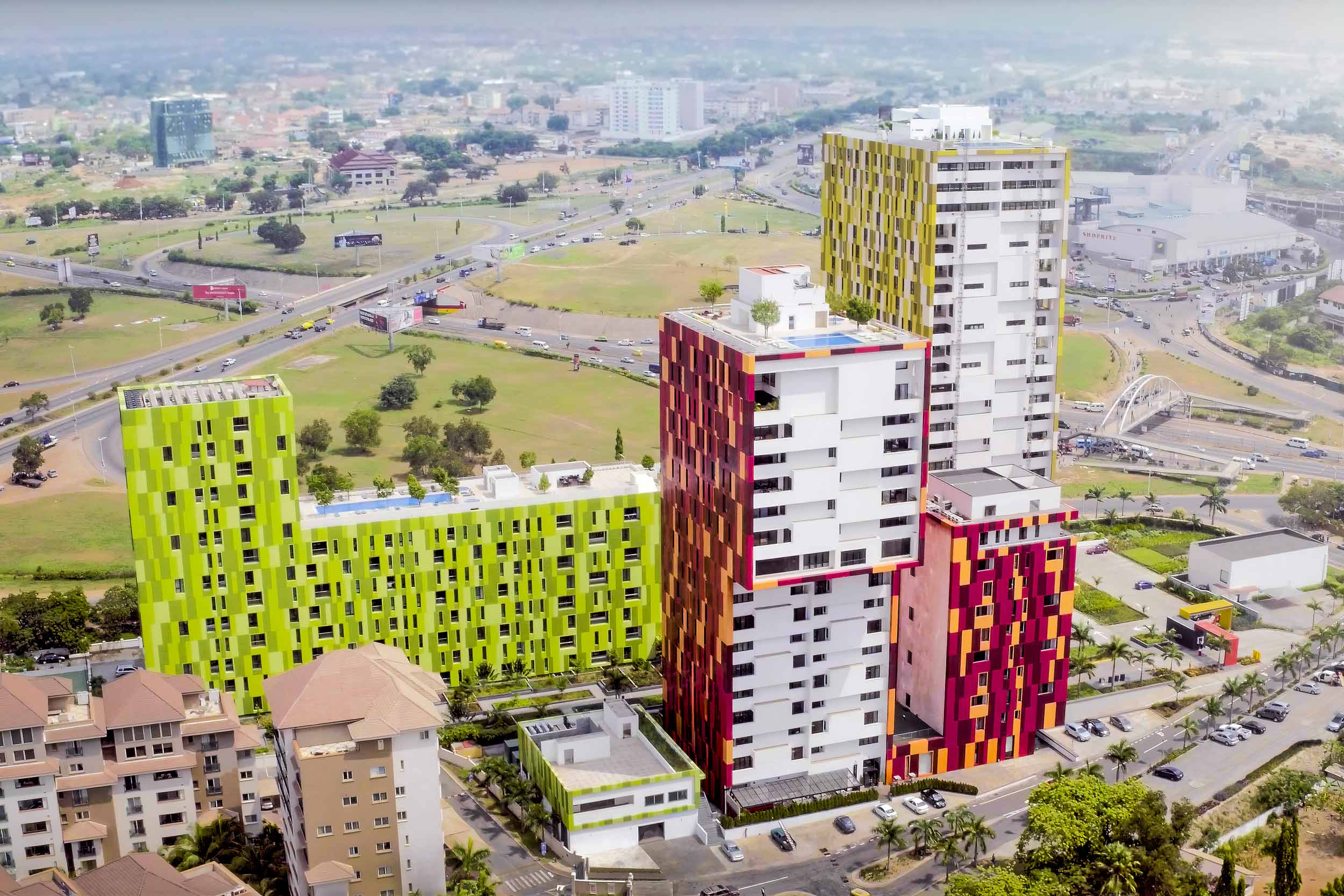
A Theme in Motion - “Building Smarter, Living Greener”
Housing In Ghana Magazine’s 4th Edition amplified this same call, urging the industry to rethink how homes are designed, built, and lived in.The edition showcased brands and architects championing sustainability and smarter housing models, proving that environmental responsibility can coexist with modern luxury and Ghanaian creativity.
The Road Ahead
To sustain this momentum, Ghana’s real estate ecosystem needs collective action from government incentives that reward green design, to capacity building for architects, engineers, and artisans.Embracing solar energy, rainwater harvesting, and local materials can drastically reduce construction’s environmental impact while cutting long-term costs for homeowners.
Building the Future Responsibly
Ghana’s real estate sector is standing at a crossroads, between the old ways of rapid, unsustainable construction, and a new, smarter era led by innovation and environmental consciousness.
The winners of tomorrow will be those who understand that building greener isn’t just about architecture, it’s about preserving our environment, protecting our people, and powering our economy sustainably.
Barriers to Scale
Despite the progress, green construction in Ghana faces notable challenges, high initial costs, limited awareness, and a lack of policy incentives. Many developers perceive sustainable building as expensive, largely due to the cost of imported materials and technologies. However, experts argue that long-term savings in energy and maintenance offset these costs significantly.
Another barrier is the limited local capacity, there are few trained professionals and suppliers specialized in sustainable building practices. Without consistent government support and policy enforcement, many green projects remain isolated efforts rather than national standards.
The Opportunity Ahead
Green housing could be the game-changer Ghana’s real estate sector needs. By encouraging solar-powered communities, rainwater harvesting, local material sourcing, and waste recycling, developers can help reduce the country’s carbon footprint while meeting growing housing demand.
There’s also a strong investor interest. Global funds and development partners increasingly prioritize environmentally responsible projects, which could open financing opportunities for Ghanaian developers embracing green design.
Government bodies, including the Ministry of Works, Housing, and Water Resources, have also shown renewed interest in incorporating sustainability into housing policies, an encouraging sign for the sector’s future.
Building a Greener Ghana
As urbanization accelerates, the call for sustainable housing solutions has never been louder. Ghana has the talent, innovation, and natural resources to pioneer a new era of eco-friendly real estate that reflects African identity while embracing global environmental standards.
As Housing In Ghana continues to champion this vision, the nation’s builders, investors, and policymakers have a shared responsibility - to build smarter, live greener, and shape a housing future that stands the test of time. The time to build greener is now. Because in the future, every square meter built responsibly today will count as an investment, not just in property, but in the planet and people of Ghana.


