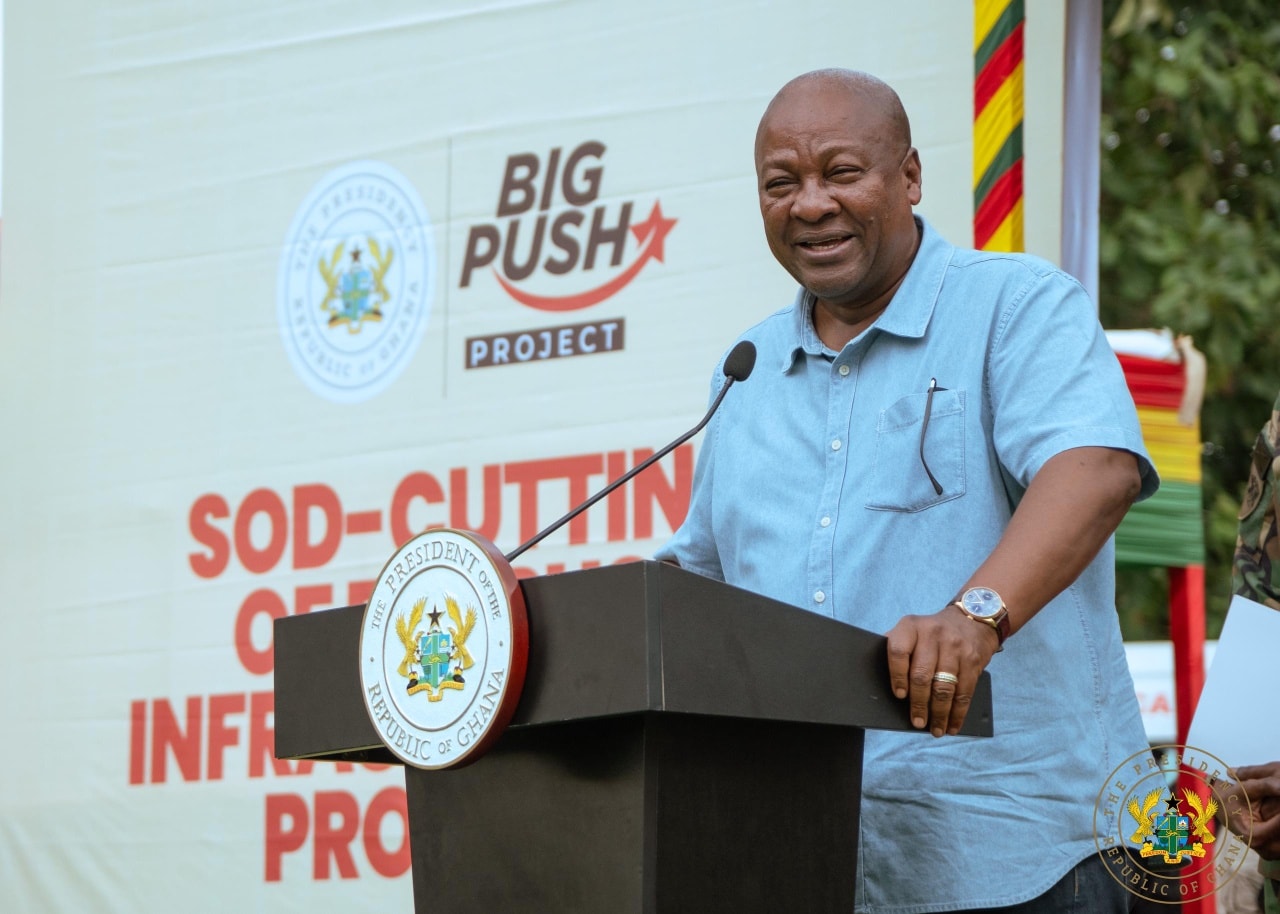
Ghana’s urban development conversation is beginning to look beyond the construction of individual buildings to the infrastructure and public spaces that make neighborhoods liveable. A proposed government initiative aims to address one of the challenges facing many urban communities: the gap between residential development and the provision of essential infrastructure.
The Minister for Local Government, Chieftaincy and Religious Affairs, Mahama Ayariga, announced the proposed Inner-City Big Push Initiative on October 23, 2026, describing a partnership model intended to improve roads, drainage systems and green spaces in existing neighbourhoods. The initiative is expected to begin in Greater Accra, Greater Kumasi and Sekondi-Takoradi, before potentially expanding to other parts of the country.
The proposal raises an important question for Ghana’s housing sector: Can improving the infrastructure around existing homes help create better communities without requiring entirely new developments?
Why Neighborhood Infrastructure Matters
A home does not exist in isolation. Its practicality and long-term value are influenced by the quality of the surrounding environment, including access roads, drainage, pedestrian routes, street lighting, sanitation and green spaces.
In many rapidly growing urban areas, residential development has progressed faster than the infrastructure needed to support it. Residents may have houses but still struggle with poor access roads, flooding during heavy rainfall, inadequate drainage or a lack of safe spaces for walking.
These conditions affect everyday life and can also influence property values, maintenance costs and the attractiveness of an area to prospective buyers and tenants.
The government says the proposed initiative is intended to address these infrastructure gaps by bringing a more coordinated approach to neighborhood improvement.
How the proposed Inner-City Big Push would work
According to the minister, a technical team comprising quantity surveyors, development planners, architects and civil engineers has been developing a concept for improving urban communities.
The proposed model would use drone imagery, LiDAR sensor technology and artificial intelligence to map neighborhoods, assess existing road networks and identify the infrastructure required.
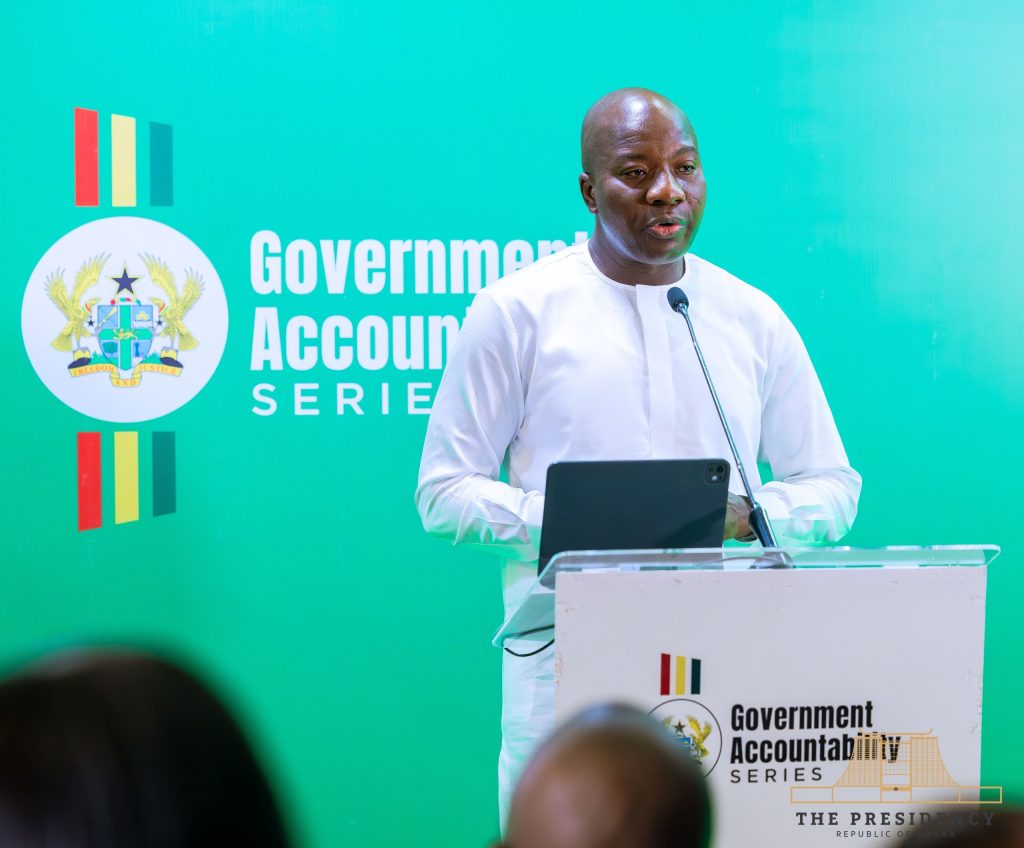
Under the concept described by the minister, communities would be divided into sections of approximately 200 homes. Technical experts would then assess the infrastructure needs of each section and estimate the cost of the proposed improvements.
The government and homeowners would share the costs, with government incentives intended to reduce the financial burden on residents. The minister also indicated that consultations had begun with the Department of Urban Roads and the Land Use and Spatial Planning Authority (LUSPA), while metropolitan, municipal and district chief executives had reviewed and provided input on the proposed model.
However, the initiative remains at the proposal and development stage. The minister said the concept would be presented to President John Dramani Mahama for further consideration. Details such as final financing arrangements, homeowner contributions, selection criteria and implementation timelines have not yet been fully established in the announcement.
What could this mean for Homeowners and Property Buyers?
If implemented effectively, neighborhood upgrading could improve access, drainage and the overall quality of residential areas. For homeowners, better infrastructure could make daily life more convenient and potentially improve the desirability of their properties. Businesses could benefit from easier access, while safer roads and pedestrian routes could improve mobility within communities.
For prospective buyers, the proposal is another reminder to assess the neighbourhood as carefully as the property itself. A well-finished house may still present challenges if the surrounding roads are poor, drainage is inadequate or essential services are difficult to access.
Nevertheless, improved infrastructure does not automatically guarantee higher property values. Outcomes would depend on the quality of the work, continued maintenance, local demand and whether the improvements address the problems residents actually experience.
The question of Affordability and Fairness
One of the initiative’s most important details is the proposed sharing of costs between government and homeowners.
While this approach could help mobilize resources for neighborhood improvements, it also raises questions about affordability. How much would households be expected to contribute? Would payment arrangements account for residents with limited incomes? How would the government ensure that improvements benefit entire communities rather than only selected streets or properties?
These questions will matter particularly in lower-income neighborhoods, where residents may already face financial pressure from rent, utility bills, transport and property maintenance.
A successful programme would need transparent cost estimates, clear eligibility criteria, meaningful community consultation and safeguards against excluding households that cannot afford significant contributions.
Beyond roads: Building more Liveable Communities
The proposed initiative reflects a broader principle in urban development: housing policy must consider the quality of the places where people live, not simply the number of buildings constructed.
Neighborhoods require coordinated investment in roads, drainage, sanitation, lighting, public spaces and land-use planning. They also need maintenance systems to ensure that infrastructure remains functional after construction is completed. For Ghana, the challenge will be translating the proposed model into practical improvements that residents can see and experience.
The Inner-City Big Push could offer a new approach to improving established urban neighbourhoods. Its impact, however, will depend on how the proposal is financed, implemented and maintained and whether residents across different income groups benefit.