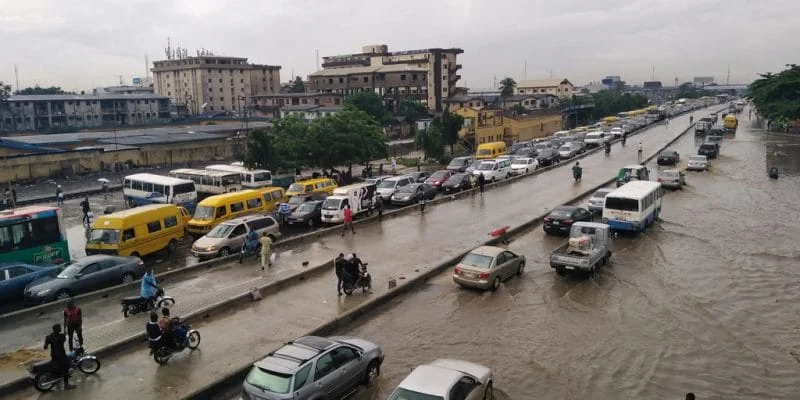


Every year, with the onset of the rainy season, many communities across Ghana brace themselves for a familiar and devastating reality: Flooding.
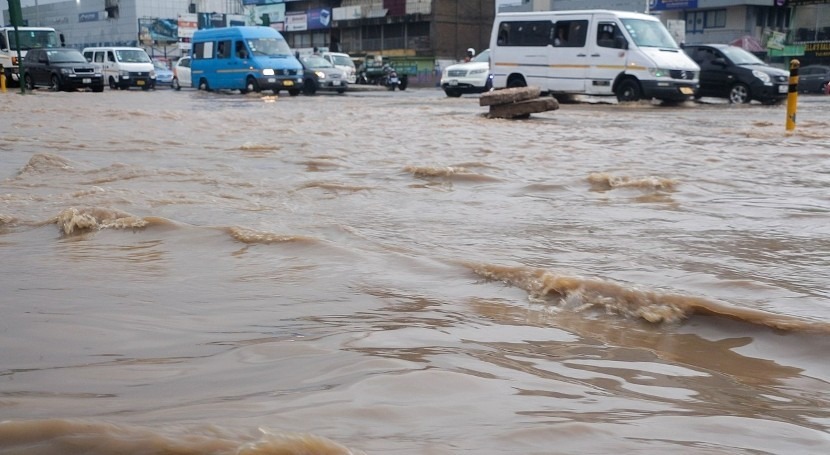
From Accra and Kumasi to Takoradi, Kasoa, and several other urban centers, floods continue to destroy homes, displace families, damage infrastructure, disrupt businesses, and in some cases, claim lives.
While heavy rainfall is often blamed as the primary cause, experts increasingly agree that flooding in Ghana is not merely a natural disaster, it is largely a human-made problem intensified by poor planning, rapid urbanization, environmental degradation, and weak enforcement of regulations.
As recent floods once again affected parts of the country, the conversation must shift from emergency response to long-term prevention and resilience.
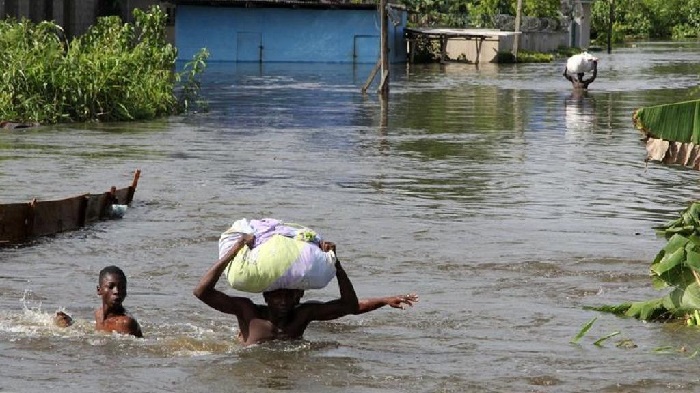
A Recurring National Challenge
Flooding is not a new phenomenon in Ghana.
Over the years, the country has experienced several major flood events that have left lasting impacts on communities and the economy.
One of the most devastating incidents occurred in June 2015 when severe flooding in Accra, combined with an explosion at a fuel station near Kwame Nkrumah Circle, resulted in the loss of more than 150 lives. The tragedy remains one of the darkest moments in Ghana's urban disaster history.
Since then, floods have continued to affect various parts of the country almost annually, damaging roads, homes, businesses, schools, markets, and public infrastructure. Despite numerous interventions and public awareness campaigns, the problem persists.
The question is why?
What Causes Flooding in Ghana?
1. Poor Drainage Systems
One of the most significant contributors to urban flooding is inadequate drainage infrastructure. Many drains are either undersized, poorly maintained, blocked, or unable to accommodate increasing volumes of stormwater.
In rapidly growing cities, existing drainage systems were often designed decades ago for smaller populations and lower levels of development.
Today, they struggle to cope with urban expansion.
2. Improper Waste Disposal
Perhaps the most visible contributor to flooding is the indiscriminate disposal of waste. Plastic bottles, food containers, polythene bags, and other forms of solid waste frequently end up in drains and waterways.
When heavy rains occur, these blocked channels prevent water from flowing freely, causing it to overflow into streets, homes, and businesses. Flooding is therefore not only an environmental issue but also a waste management issue.
3. Building on Waterways and Wetlands
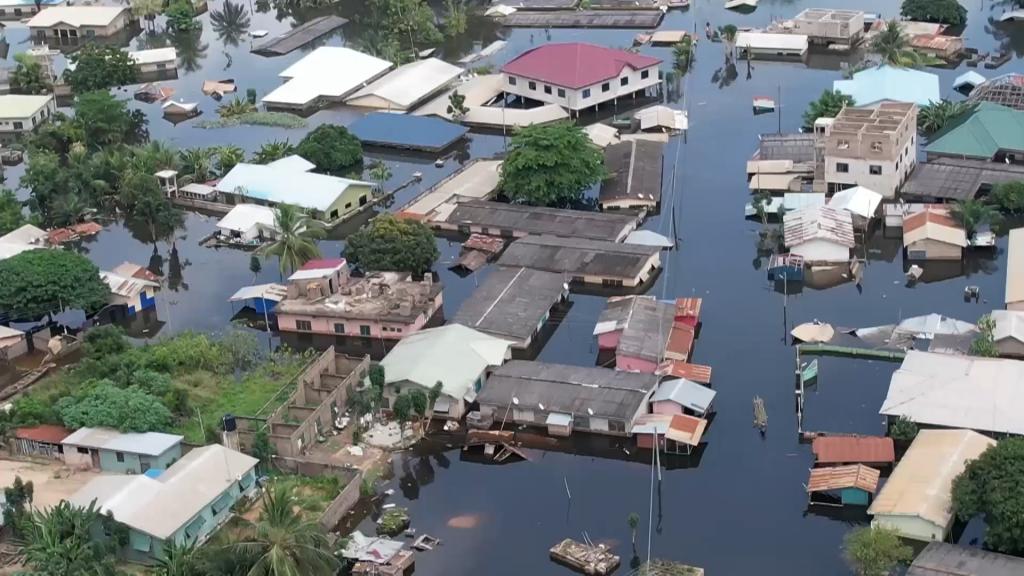
As cities expand and demand for land increases, natural floodplains, wetlands, and waterways are increasingly being encroached upon. Many structures have been built within waterways that were originally designed by nature to absorb and channel excess rainwater.
When these natural systems are obstructed, water inevitably seeks alternative paths, often through communities and residential areas.
4. Unplanned Urbanization
Ghana's urban population continues to grow rapidly.
Unfortunately, development has not always been accompanied by proper planning and infrastructure investment. In many communities, roads, drains, housing developments, and public infrastructure are developed without integrated drainage planning.
This creates environments highly vulnerable to flooding.
5. Deforestation and Environmental Degradation
Trees and vegetation play a critical role in absorbing rainwater and reducing surface runoff.
When forests and green spaces are cleared for development, the land loses its natural ability to absorb water. As a result, larger volumes of rainwater flow rapidly into streets and drainage systems, increasing flood risks.
6. Climate Change
Climate change is increasingly influencing weather patterns across West Africa. Experts have observed more intense rainfall events occurring within shorter periods. Even areas with relatively adequate drainage systems can become overwhelmed when rainfall intensity exceeds design capacity. This means Ghana must now prepare for more extreme weather events than in previous decades.
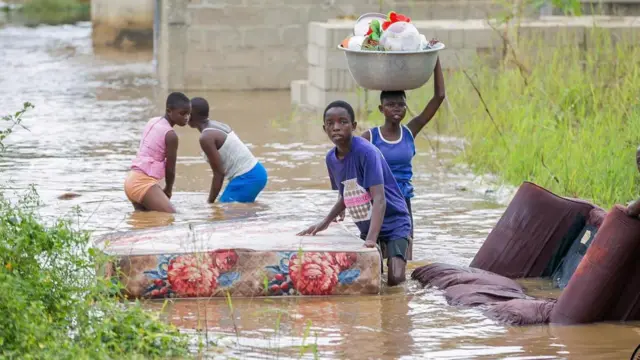
The Impact of Flooding
The consequences of flooding extend far beyond temporary inconvenience.
Loss of Lives
Every year, lives are lost due to drowning, collapsing structures, electrocution, and flood-related accidents.
Property Damage
Homes, vehicles, businesses, schools, and public facilities often suffer extensive damage.
Many families lose valuable possessions accumulated over years.
Economic Losses
Flooding disrupts transportation, commerce, and productivity.
Businesses may shut down temporarily while repairs are carried out, resulting in lost income and economic setbacks.
Public Health Risks
Floodwaters often carry sewage, waste, and contaminants.
This increases the risk of diseases such as cholera, typhoid fever, malaria, and other waterborne illnesses.
Infrastructure Deterioration
Roads, bridges, drainage systems, and public utilities often suffer severe damage during floods, requiring costly repairs funded by taxpayers.
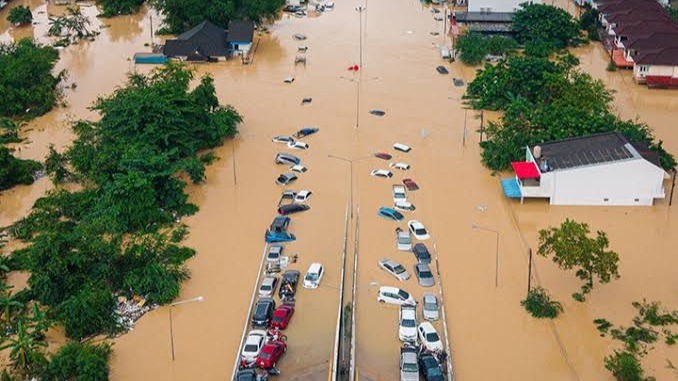
What Can Ghana Do to Reduce Flooding?
Invest in Modern Drainage Infrastructure
Cities require drainage systems designed to accommodate current and future populations.
Drainage networks must be expanded, upgraded, and maintained regularly.
Enforce Building Regulations
Authorities must strictly prevent construction within waterways, wetlands, and flood-prone zones.
Building permits should be rigorously enforced and monitored.
Improve Waste Management
Public education alone is not enough.
Communities must have access to effective waste collection systems, while offenders face consequences for indiscriminate dumping.
Protect Wetlands and Natural Waterways
Wetlands act as natural flood-control systems.
Preserving these ecological assets should become a national priority.
Promote Climate-Resilient Urban Planning
Future developments must incorporate flood risk assessments, sustainable drainage systems, and climate adaptation strategies.
Strengthen Early Warning Systems
Technology can help communities prepare for extreme weather events through timely forecasts, alerts, and emergency response coordination.
What Citizens Can Do
Flood prevention is not solely the responsibility of government.
Every Ghanaian has a role to play.
Do:
✔ Dispose of waste responsibly.✔ Participate in community clean-up exercises.✔ Report blocked drains and illegal developments.✔ Verify flood risks before purchasing land or property.✔ Respect environmental regulations.
Don't:
✘ Dump refuse into drains.✘ Build on waterways or wetlands.✘ Ignore building permit requirements.✘ Cover drainage channels during construction.✘ Wait until the rainy season to clear drainage systems.
The Housing Perspective
For homebuyers, developers, landlords, and investors, flooding should be a key consideration when evaluating property.
Before purchasing land or developing property, it is important to assess:
Drainage infrastructure
Historical flood records
Topography
Waterway proximity
Municipal planning approvals
A beautiful property can quickly become a liability if located in a flood-prone area.
Looking Ahead
Flooding in Ghana is not an unsolvable problem. Many of the causes are known, and many of the solutions are already available. What is required is sustained commitment from government institutions, private developers, communities, and individual citizens.
As Ghana continues to urbanize, the decisions made today regarding planning, infrastructure, environmental protection, and public behavior will determine whether future generations continue to experience annual flooding or inherit safer, more resilient cities.
The conversation should no longer focus solely on responding to floods after they occur.
It must focus on preventing them before they happen. Because in many cases, floods are not simply acts of nature, they are consequences of choices made by society.