

A complete guide to opportunities, risks, laws, financing, and how to invest wisely.
Ghana’s Real Estate Boom: Promise and Potential
Ghana’s real estate sector stands at a critical crossroads a growing housing deficit of over two million units, rapid urbanisation, and a rising middle class are reshaping the market. Investors, both local and foreign, are increasingly eyeing Ghana as one of West Africa’s most promising property destinations.
According to the World Bank’s Africa Pulse Report, closing Ghana’s housing gap could unlock massive job creation and economic growth, provided the sector is properly structured and financed.
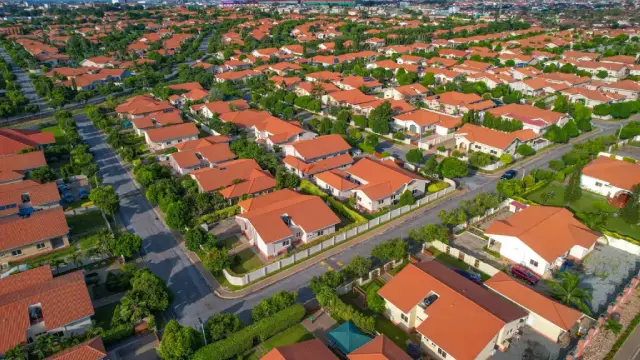
Why Invest in Real Estate in Ghana
Strong Demand: Rapid population growth and urban migration continue to fuel housing needs.
Rising Returns: Rental yields in major cities like Accra and Tema remain among the highest in the subregion.
Stable Democracy: Ghana’s consistent political stability enhances investor confidence.
Growing Diaspora Market: Diaspora remittances and demand for quality housing create sustained buying interest.
Government Support: Ongoing affordable housing initiatives and partnerships with private developers are expanding investment opportunities.
Understanding Land Ownership in Ghana
Land ownership is the most important aspect of property investment in Ghana. The Land Act, 2020 (Act 1036) regulates land acquisition and registration, streamlining ownership processes and curbing fraudulent sales.
Key things to know:
Land can be State-owned, Customary-owned (Stool/Skin or Family), or Private (Freehold).
Always conduct a search at the Lands Commission before purchase.
Hire a qualified lawyer or conveyancer for due diligence.
Most property transactions are leasehold (50–99 years).
Obtain a Land Title Certificate after purchase to secure your ownership.
Taxes and Fees to Expect
When buying or developing property in Ghana, budget for:
Stamp Duty: Typically 0.25%–1% of the property value.
Registration Fees: Payable to the Lands Commission.
Property Rates: Annual payments to your local assembly.
Capital Gains Tax: When selling a property for profit.
Building Permits and Development Levies.
Financing Options for Investors
Ghana’s mortgage market is still developing but growing steadily.
Local Banks: Offer mortgage loans in cedis and sometimes USD.
Diaspora Mortgage Schemes: Target Ghanaians abroad with flexible payment options.
Developer Financing: Some developers offer rent-to-own or installment-based purchases.
Public-Private Partnerships (PPP): Opportunities exist in affordable housing projects.
Investment Opportunities
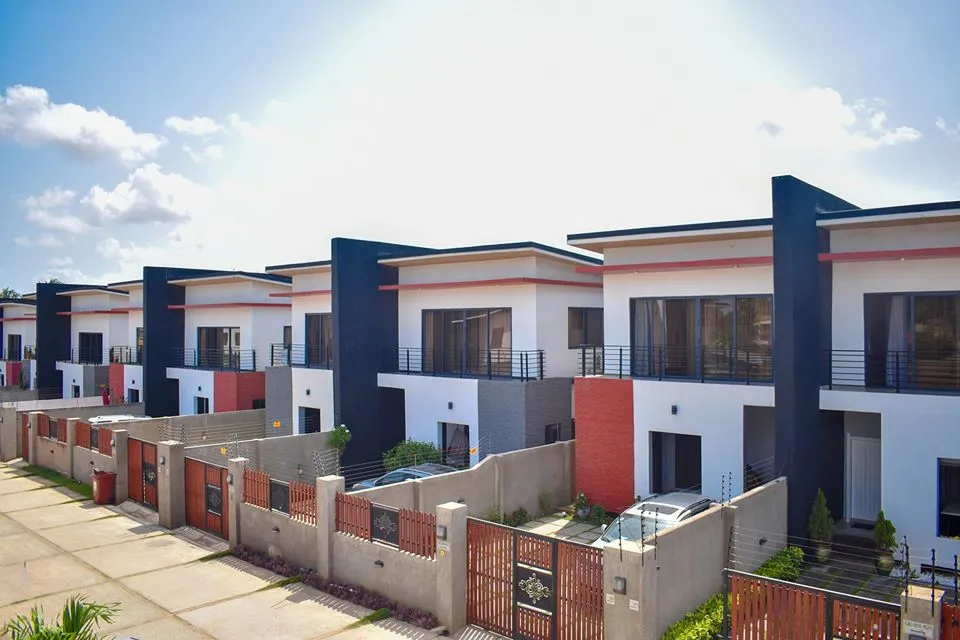
Residential: Apartments, estates, and rental housing in cities like Accra, Tema, Kumasi, and Takoradi.
Commercial: Retail spaces, office blocks, logistics parks, and hotels.
Land Banking: Acquiring land in growth corridors for future development.
REITs (Real Estate Investment Trusts): Regulated by the SEC, allowing shared ownership of real estate assets.
Key Risks and How to Avoid Them
Land Fraud: Verify ownership, boundaries, and encumbrances with the Lands Commission.
High Building Costs: Secure fixed-price contracts with suppliers.
Currency Fluctuations: Hedge against depreciation if investing in foreign currency.
Legal Delays: Work with experienced local lawyers and project managers.
Step-by-Step Checklist for Investors
Define your investment goal (buy-to-let, develop, land banking).
Conduct market research on location and demand.
Verify land ownership and title through the Lands Commission.
Hire a trusted lawyer to draft and review contracts.
Factor taxes, stamp duty, and permit costs into your budget.
Register your land and obtain a title certificate.
Develop or manage property professionally for long-term returns.
The Future of Real Estate in Ghana
With strong demographic growth and an evolving regulatory environment, Ghana’s real estate market continues to attract both local and global attention.If governed with transparency and innovation, the sector could not only close the housing gap but also become one of the country’s largest job creators.


